Author name: Marketing Team

smart home batteries for India power grid 2030
Blog

Smart Home Batteries: 7 Powerful Benefits for India’s 2030 Power Grid

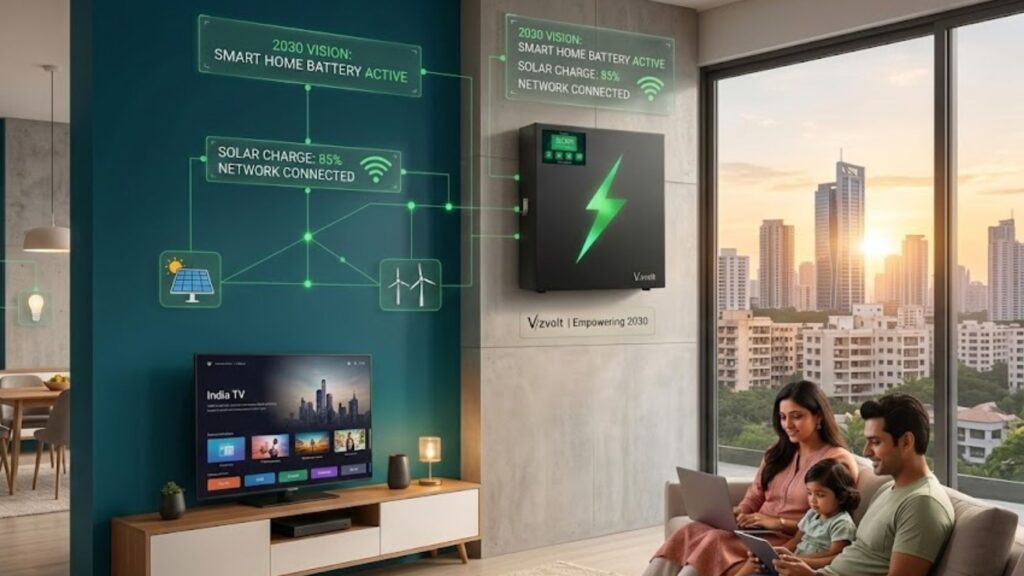
Smart home batteries are emerging as a critical solution for India’s future energy needs. As the country moves toward its 2030 vision, electricity demand is rising rapidly, and the pressure on the power grid is increasing. Cities are expanding, homes are becoming more digital, and daily life now depends heavily on uninterrupted electricity. From Wi-Fi routers and laptops to smart TVs and security systems, power is no longer optional – it is essential. However, while homes are evolving, the power infrastructure is struggling to keep up. India’s Electricity Demand Is Growing Rapidly India’s energy consumption has been increasing year after year due to multiple factors: During peak summer months, electricity demand reaches record levels. When millions of households use cooling devices simultaneously, the grid experiences heavy load. This often leads to voltage fluctuations and power cuts in some areas. The Limitation of Traditional Power Systems The traditional electricity model is centralized: Power plants generate electricity → it flows through the grid → homes consume it. While this system has worked for decades, it has limitations. When demand spikes suddenly – such as during heatwaves – the grid becomes stressed. This results in: The challenge is not just producing electricity, but managing it efficiently in real time. A New Approach: Distributed Energy Storage To solve this issue, energy experts are exploring distributed energy storage. This concept involves spreading energy storage across homes instead of relying only on large power plants. In simple terms: Homes store electricity in batteries → use it when needed → reduce pressure on the grid. This creates a more flexible and resilient energy system. Why Smart Home Batteries Matter Traditional inverter batteries were designed only for backup during outages. But smart home batteries are far more advanced. They can: Lithium battery technology is known for high efficiency and long lifespan. These capabilities make them suitable not just for backup, but for active energy management. How Smart Home Batteries Support the Power Grid If millions of homes adopt smart home batteries, the impact on the grid can be significant. 1. Reducing Peak Load Electricity demand spikes during certain hours. Smart batteries can supply power locally during these times, reducing pressure on the grid. 2. Stabilizing Voltage Fluctuations occur when supply and demand are unbalanced. Home batteries help maintain stable voltage within households. 3. Supporting Renewable Energy India is rapidly expanding solar energy. However, solar power is not available at night. Smart home batteries store solar energy during the day and use it later, improving efficiency. 4. Improving Energy Resilience Power outages caused by weather or infrastructure issues can disrupt daily life. Homes with battery systems can continue running essential devices. Energy efficiency guidelines support modern energy storage solutions Global Shift Toward Smart Energy Systems Many countries are already adopting distributed battery systems. These regions are moving toward decentralized energy models where homes play an active role in energy storage and usage. India is expected to follow a similar path as demand continues to grow. The Role of Modern Smart Inverters Modern inverter systems powered by lithium batteries are designed for this evolving ecosystem. Compared to traditional systems, they offer: These advantages make smart home batteries more practical for everyday use. Where Vizvolt Fits into This Future Vizvolt Smart Inverter is built around the idea of modern energy management. With features like: Vizvolt helps homeowners move toward smarter energy usage. Instead of reacting to power cuts, users can manage and monitor their energy system proactively. Looking Toward 2030 India’s energy future will depend on smarter infrastructure, not just higher power generation. Smart home batteries can: As technology evolves, homes will no longer be passive consumers. They will become active participants in the energy ecosystem. Conclusion Smart home batteries are not just a convenience — they are a necessity for the future of India’s power grid. By adopting distributed energy storage and intelligent systems, India can build a more stable, efficient, and resilient energy network. And as the country moves toward its 2030 vision, solutions like Vizvolt are helping homes take the first step toward a smarter energy future.

Inverter Failure During Heatwave: What Really Happens and How to Prevent It
Blog

Inverter Failure During Heatwave: What Really Happens and How to Prevent It

Summer in India can be extreme, and inverter failure during heatwave is becoming a serious problem in many homes. When temperatures cross 45°C, electricity is no longer just about comfort—it becomes essential for survival. From fans and air coolers to Wi-Fi routers and refrigerators, everything depends on a stable power supply. But when your inverter fails during peak heat, the situation can quickly turn stressful. Let’s understand what actually happens during an inverter failure during heatwave and how you can avoid it. 1. Rapid Increase in Indoor Temperature One of the first effects of inverter failure during heatwave is the sudden rise in room temperature. As a result, indoor spaces become hot and suffocating within minutes. This is especially dangerous for children and elderly family members. 2. Sleep Disruption and Discomfort Power cuts often occur at night, making inverter failure during heatwave even worse. Because of this, sleep quality drops significantly. Poor sleep affects your health, mood, and productivity the next day. 3. Refrigerator Cooling Loss Another major issue during inverter failure during heatwave is food spoilage. This leads to both financial loss and health risks, especially during extreme heat. 4. Work and Internet Disruptions In today’s digital world, inverter failure during heatwave directly impacts productivity. Reliable power backup is now essential, not optional. 5. Increased Stress on Appliances Heatwaves already put pressure on electrical appliances. When combined with inverter failure during heatwave, the impact worsens. This can lead to higher repair and replacement costs. 6. Why Inverter Failure During Heatwave Happens Understanding the causes helps prevent future issues. Common reasons include: Traditional inverters are often not designed to handle extreme Indian summers. 7. Why Modern Homes Need Better Backup Today’s homes rely heavily on electricity for: Because of this, avoiding inverter failure during heatwave is critical. 8. The Shift to Lithium Inverter Technology Modern solutions like lithium-based systems are designed to prevent inverter failure during heatwave. Benefits of Lithium Inverters: These features make them ideal for Indian climate conditions. 9. How Vizvolt Helps Prevent Inverter Failure During Heatwave Vizvolt smart inverter is built for modern energy needs and extreme weather. Key Features: This makes Vizvolt a strong solution to avoid inverter failure during heatwave. FAQs Q1. Why does inverter failure during heatwave happen? High temperatures reduce battery efficiency and affect inverter performance. Q2. Is a lithium inverter better during summer? Yes, lithium inverters perform better in heat and require minimal maintenance. Q3. How can I prevent inverter failure during heatwave? Upgrade to lithium systems, ensure proper ventilation, and maintain your inverter regularly. Conclusion Inverter failure during heatwave is more than just an inconvenience-it affects comfort, health, food safety, and productivity. As temperatures continue to rise, traditional inverter systems are no longer reliable enough. Upgrading to a smarter solution like a Vizvolt lithium inverter ensures uninterrupted power, better efficiency, and peace of mind. Because during a heatwave, electricity isn’t a luxury-it’s a necessity.

Why a Lithium Inverter Is Actually Cheaper Than a ₹15,000 Lead-Acid One
Blog

Why a Lithium Inverter Is Actually Cheaper Than a ₹15,000 Lead-Acid One

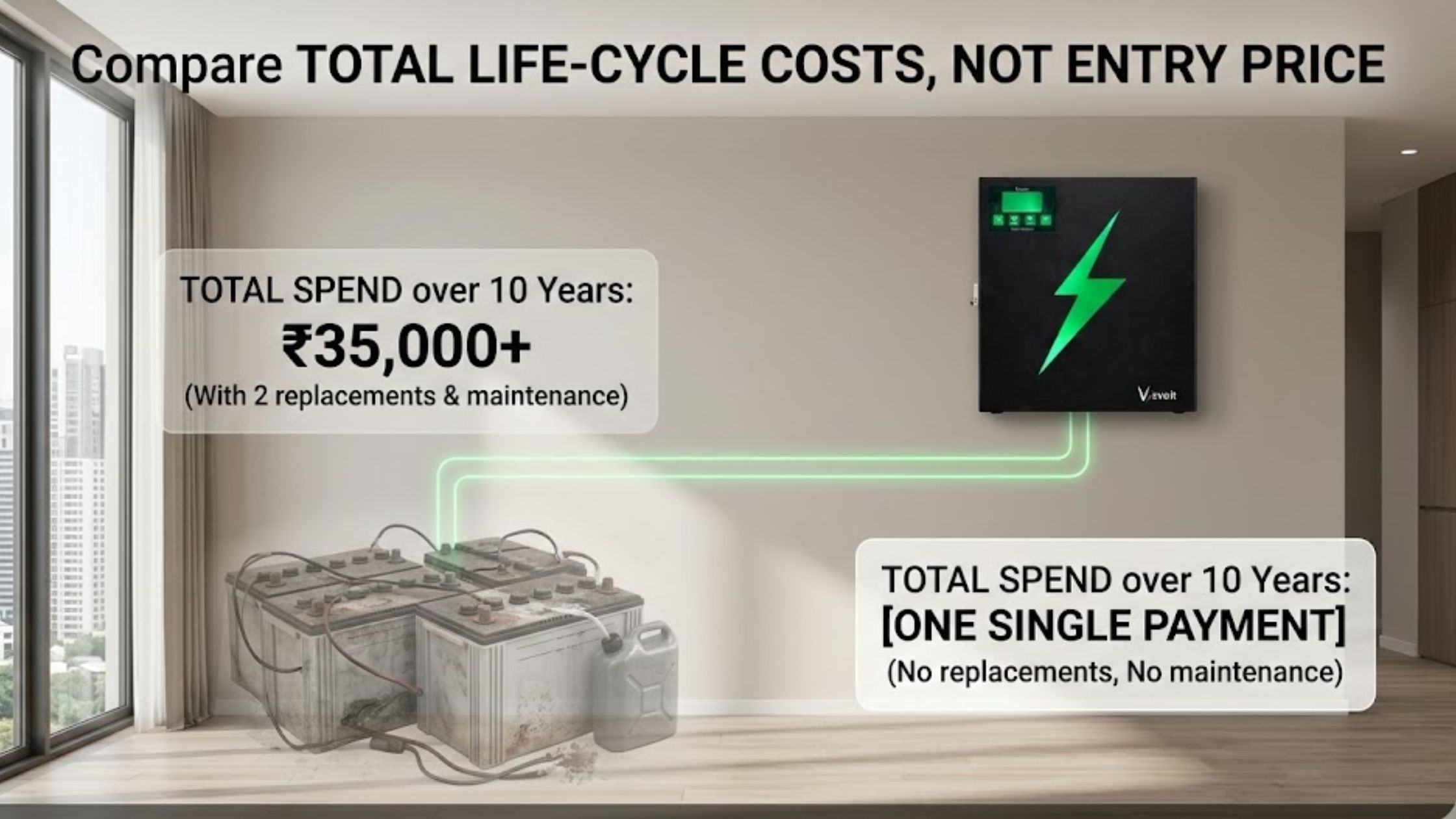
When people compare lithium inverter vs lead-acid, the first thing they notice is the price. A typical lead-acid inverter setup may cost around ₹15,000, while a lithium inverter system costs significantly more upfront. So naturally, the conclusion feels obvious: lead-acid is cheaper. But this is where most people make a mistake. The real comparison of lithium inverter vs lead-acid should not be based on the initial price. Instead, it should be based on the total cost over 8 to 10 years, including maintenance, replacements, and efficiency. Once you look at the bigger picture, lithium inverters often turn out to be the smarter and more economical choice. 1.The Truth About Initial Cost In the lithium inverter vs lead-acid debate, lead-acid systems win only in terms of upfront pricing. However, this lower price comes with compromises that become visible over time. What seems affordable today may become expensive tomorrow. 2.Battery Replacement Adds Up One of the biggest hidden costs in the lithium inverter vs lead-acid comparison is battery replacement. Lead-acid batteries typically last 3-4 years under normal usage. Over a 10-year period, you may need to replace the battery two or even three times. Cost Breakdown: In contrast, lithium batteries are designed to last 8-10 years without replacement. That’s a major difference in long-term cost. 3.Maintenance Costs and Effort Maintenance is another factor people often ignore in the lithium inverter vs lead-acid discussion. Lead-acid batteries require: If maintenance is neglected, performance drops even faster. Lithium systems, on the other hand, are: Over time, this saves both money and effort, making lithium a more convenient option. 4.Energy Efficiency Matters Efficiency plays a crucial role in determining the real cost of an inverter. In the lithium inverter vs lead-acid comparison: Lead-acid systems: Lithium systems: This means lithium inverters waste less electricity, which helps reduce your overall power consumption over time. 5.Lifespan Comparison The lifespan difference is one of the strongest arguments in favor of lithium. In the lithium inverter vs lead-acid comparison, this extended lifespan eliminates the need for repeated investments. You pay once and use it for years without worrying about performance drops. 6.Space and Design Advantages Modern homes are becoming more compact, and space matters more than ever. Lead-acid systems: Lithium systems: This makes lithium inverters not just practical, but also aesthetically better. 7.Reliability in Daily Life Electricity today powers more than just lights and fans. Homes now depend on: In the lithium inverter vs lead-acid comparison, lithium offers: This reliability is crucial, especially during long power cuts or extreme weather conditions. Why Vizvolt Lithium Inverter Is a Smart Upgrade If you are considering upgrading, Vizvolt offers a modern solution in the lithium inverter vs lead-acid category. Key Benefits: Vizvolt systems are designed to meet the needs of modern homes that require reliable and efficient power backup. Conclusion When you properly evaluate lithium inverter vs lead-acid, it becomes clear that the cheaper option upfront is not always the better choice. Lead-acid systems may save money initially, but they come with: Lithium inverters, on the other hand, offer: So, instead of focusing only on the price tag, think about the total cost of ownership. In the long run, lithium is not just a better technology-it’s a smarter financial decision.

why choosing the lowest cost inverter can be a costly mistake for new homeowners
Blog

Why Choosing the Lowest-Cost Inverter Can Be a Costly Mistake for New Homeowners

The lowest-cost inverter mistake is one of the most common yet overlooked decisions new homeowners make. When setting up a new home, people naturally focus on budgets—cutting costs wherever possible. Choosing a cheaper inverter seems like a practical decision. After all, it powers lights and fans, and the upfront price is low. But the reality is different. The lowest-cost inverter mistake often leads to higher expenses, poor performance, and ongoing inconvenience over time. Modern homes in 2026 demand more from power backup systems, and outdated or low-cost solutions struggle to keep up. 1. Ignoring Total Cost of Ownership The biggest issue with the lowest-cost inverter mistake is focusing only on upfront cost instead of total ownership cost. Traditional lead-acid inverter systems often involve: While each of these costs may seem small individually, together they significantly increase expenses over 8–10 years. 2.Not Matching Modern Lifestyle Needs Today’s homes are far more dependent on electricity than ever before. A typical household now runs: The lowest-cost inverter mistake happens when homeowners choose systems designed only for basic needs. These systems may not support modern digital lifestyles efficiently. 3.Underestimating Maintenance Effort Maintenance is often overlooked at the time of purchase. Lead-acid batteries require: Ignoring maintenance reduces battery life even faster. The lowest-cost inverter mistake turns into a recurring responsibility that consumes both time and money. 4. Overlooking Space Constraints Urban apartments are becoming more compact, making space an important factor. Traditional inverter setups: The lowest-cost inverter mistake ignores how valuable clean and efficient space utilization is in modern homes. 5. Ignoring Safety Factors Safety is another critical aspect. Lead-acid batteries: For families with children or pets, this can be risky. Avoiding the lowest-cost inverter mistake means prioritizing safety along with affordability. 6. Missing Out on Modern Technology Technology in power backup systems has improved significantly. Lithium-based inverter systems offer: The lowest-cost inverter mistake often comes from ignoring these modern advancements. 7. Choosing Short-Term Savings Over Reliability Low-cost systems may work fine initially, but over time: The lowest-cost inverter mistake leads to unreliable power when you need it most—during outages, work hours, or extreme weather. A Smarter Approach for Modern Homes Instead of focusing only on price, homeowners should evaluate: Lithium-based smart inverter systems are designed to meet these needs effectively. Why Vizvolt Is Built for Modern Living For homeowners looking to avoid the lowest-cost inverter mistake, Vizvolt Smart Inverter offers a practical upgrade. Key Features: Vizvolt lithium systems are designed to align with modern Indian homes that require reliable and efficient power backup. Conclusion The lowest-cost inverter mistake may seem like a smart decision at the time of purchase, but it often leads to higher costs, reduced efficiency, and ongoing inconvenience. A home is a long-term investment, and your power backup system should support that vision. By focusing on value instead of just price, you can ensure better performance, safety, and peace of mind. Avoid the lowest-cost inverter mistake today, and invest in a smarter, more reliable solution for the future.

is your inverter ruining your living room’s vibe here’s the secret to a ‘hidden’ backup system.
Blog

Is Your Inverter Ruining Your Living Room’s Vibe? Here’s the Secret to a ‘Hidden’ Backup System.

Backup systems are essential in every Indian home. From Wi-Fi and work devices to fans and appliances, everything depends on reliable backup power. But there’s a problem. Most traditional backup systems don’t match modern home design. Walk into a well-designed home and you’ll see: And then…A bulky inverter setup sitting in the corner. So the question becomes: How to hide inverter at home without ruining your interiors? This is where homeowners start thinking-not just about power-but about how their backup system looks. Let’s talk honestly. Why Most Inverters Are Hard to Hide Traditional inverters were never designed for aesthetics. They were built for survival, not style. Typical problems: Because of this, many Indian families try to: But hiding doesn’t solve the real problem. It only hides the discomfort. The Cabinet Trick: Is It Safe? One common solution is building a wooden cabinet around the inverter. While it looks cleaner, it creates new issues: • Poor ventilation• Heat buildup• Reduced battery life• Safety risks• Maintenance difficulty Inverters generate heat. Batteries need airflow. Blocking ventilation can shorten system life. So yes, you can hide it – but at a cost. Why Modern Homes Need Modern Design Thinking Indian homes have evolved. We now invest in: • Modular kitchens• Smart lighting• Designer walls• Space-saving furniture But power backup systems stayed stuck in the past. The truth is: You don’t want to “hide” something that belongs in 2026. You want something that fits 2026. The Real Question: Should You Hide It – Or Upgrade It? Instead of asking, “How do I hide my inverter?” Maybe ask: “Why does it need hiding in the first place?” Traditional lead-acid inverter systems: That’s why hiding feels necessary. What a ‘Hidden’ Backup System Actually Means A truly hidden inverter system is one that: In other words, it blends into your home like any other modern appliance. It becomes part of the design – not a compromise. Space Is Expensive in Indian Homes In cities like Delhi, Mumbai, Bengaluru, and Pune: Every square foot matters. Traditional inverter setups take: In smaller flats, that space loss is noticeable. A wall-mounted, compact system frees up floor space – which is especially valuable in 1BHK and 2BHK apartments. The Silent Upgrade Most People Don’t Realize They Need When homeowners upgrade furniture, lighting, or appliances, they rarely think about the inverter. Because it’s “just backup.” But power backup today supports: If everything else is modern – why should your inverter look outdated? So… How Do You Hide Your Inverter? You have two options: Option 1: Physically hide it Cabinets, covers, corners. But you compromise airflow, safety, and convenience. Option 2: Upgrade to a system that doesn’t need hiding A smart, wall-mounted inverter designed for modern homes. That’s the real solution. The Smarter Alternative for Modern Indian Homes This is where new-generation smart inverter systems come in. Systems built with: Instead of hiding wires and batteries, you eliminate the clutter completely. Why Vizvolt Changes the Conversation Vizvolt Lithium Smart Inverter was designed differently. Not just for backup – but for modern living. With Vizvolt, you get: It doesn’t sit awkwardly in a corner. It integrates into your home. Instead of asking, “Where do we hide it?” You can confidently install it in visible space. Because it looks like it belongs there. Hide Less. Upgrade Smartly. In 2026, hiding your inverter should not be a design task. It should be unnecessary. Modern homes deserve power systems that match their interiors. If your inverter feels like something you need to hide, it may be time to rethink your backup system. Vizvolt Smart Inverter solves not just power problems – but space, design, safety, and maintenance concerns too. Because your home deserves backup that works intelligently and looks modern while doing it.

What Happens When Your Inverter Fails During Work-From-Home Hours?
Blog

What Happens When Your Inverter Fails During Work-From-Home Hours?

Inverter failure during work from home is a growing concern in India as remote work becomes permanent. Today, professionals rely heavily on uninterrupted electricity for meetings, internet, and daily tasks. But most people only think about power cuts-not backup failure. The truth is, inverter failure during work from home can directly affect your productivity, reputation, and even income. Let’s break down what actually happens. 1. Meeting Disruptions Can Damage Your Professional Image Imagine you are in the middle of an important client call. Suddenly, the power goes out-and your inverter fails. The result: In remote work, reliability is everything. Inverter failure during work from home can damage how others perceive your professionalism. 2.Internet Connectivity Breaks Instantly Even if your laptop has battery, your Wi-Fi router depends on power. During inverter failure during work from home: Reliable internet depends entirely on a stable backup system. 3.Data Loss and Interrupted Workflows Another serious consequence is data loss. Unexpected shutdowns can lead to: For freelancers, consultants, and remote employees, this can directly impact income. Losing work due to power issues is both frustrating and costly. 4.Increased Stress and Reduced Productivity Unreliable backup creates constant anxiety: This stress reduces focus and productivity. Instead of working, you keep thinking about power. Why Inverter Failure During Work From Home Happens Most homes still use traditional lead-acid inverter systems. Common issues include: According to Ministry of New & Renewable Energy, proper maintenance and modern energy systems are essential for reliability. The biggest problem? You only realize the issue when failure happens. Modern Work Requires Smarter Backup Systems Today’s work-from-home setup includes: This makes inverter failure during work from home more critical than ever. Modern homes need modern backup. How Smart Inverters Prevent Inverter Failure During Work From Home Smart lithium-based systems are designed to avoid inverter failure during work from home. They offer: Traditional vs Smart Backup: Real Difference Traditional Inverter Smart Lithium Inverter For professionals, this difference is not technical—it’s practical. Who Should Upgrade Immediately? You should seriously consider upgrading if: Avoiding inverter failure during work from home is essential for your career. Why Vizvolt Is Built for Work-From-Home Professionals Vizvolt Smart Inverter is designed to prevent inverter failure during work from home. Key Benefits: Vizvolt is built for modern Indian professionals who cannot afford unexpected power failures. Instead of worrying about your backup, you focus on your work. Because when your career runs on electricity, your power backup should run intelligently. Conclusion Inverter failure during work from home is not just a technical issue-it’s a professional risk. It affects: Modern work demands reliable power. Instead of reacting to failures, upgrade to a smarter system that keeps you prepared. Because when your career depends on electricity-your backup should never fail.

how voltage fluctuations are damaging your appliances silently
Blog

How Voltage Fluctuations Are Damaging Your Appliances Silently

Power issues in homes are not always visible. While outages are easy to notice, unstable electricity often goes unnoticed. One of the biggest hidden problems is voltage fluctuations, which slowly affect the performance and lifespan of your devices. In modern homes filled with electronics like TVs, refrigerators, routers, and laptops, stable power is essential. Even small variations in voltage can create long-term damage without immediate warning signs. Understanding Voltage Fluctuations Voltage fluctuations refer to irregular changes in the electrical voltage supplied to your home. This can include: Although these changes may last only a few seconds, repeated exposure can stress internal components and lead to long-term damage. Why Voltage Fluctuations Are Common There are multiple reasons for unstable voltage in residential areas: Because of these factors, voltage levels can vary throughout the day without notice. How Appliances Get Damaged Over Time 1. Gradual Wear of Internal Circuits Sensitive appliances are designed for stable power. Continuous voltage fluctuations create stress on internal circuits. Over time, this reduces the lifespan of the device. 2. Heat Build-Up and Component Damage Frequent voltage fluctuations generate excess heat inside appliances. This can cause: The damage happens slowly, making it difficult to identify early. 3. Reduced Efficiency of Devices Low voltage forces appliances to consume more energy. This leads to increased electricity bills and reduced performance. 4. Sudden Appliance Failure In extreme cases, voltage fluctuations can cause instant damage. Repair costs can be significant and unexpected. Why Traditional Inverters Are Not Enough Most homes rely on traditional inverter systems for backup. However, these systems: They respond only when power fails-not when voltage fluctuations occur. Modern Homes Need Stable Power Today’s homes depend heavily on electricity for daily life: Because of this, managing voltage fluctuations is just as important as having backup power. How Smart Systems Help Manage Voltage Fluctuations Modern lithium-based inverter systems are designed to handle fluctuations more effectively. They provide: These features help reduce the risk of damage and improve overall system reliability. Signs of Voltage Fluctuations in Your Home You may already be experiencing voltage fluctuations if you notice: Recognizing these signs early can help prevent costly repairs. Why Vizvolt Is a Smarter Solution Vizvolt Smart Inverter is designed to manage voltage fluctuations while providing reliable power backup. Key Benefits: It not only provides backup but also helps protect your appliances from unstable power. Conclusion Voltage fluctuations are a silent threat that can damage your appliances over time. While they may not cause immediate outages, their long-term impact can be expensive and frustrating. As homes become more dependent on digital devices, stable power is no longer optional-it is essential. Instead of reacting to appliance failures, investing in smarter power solutions helps protect your devices and improve efficiency. Because your appliances are valuable-and your power system should protect them.

can you control your inverter from your phone here’s how
Blog

Can You Control Your Inverter from Your Phone? Here’s How

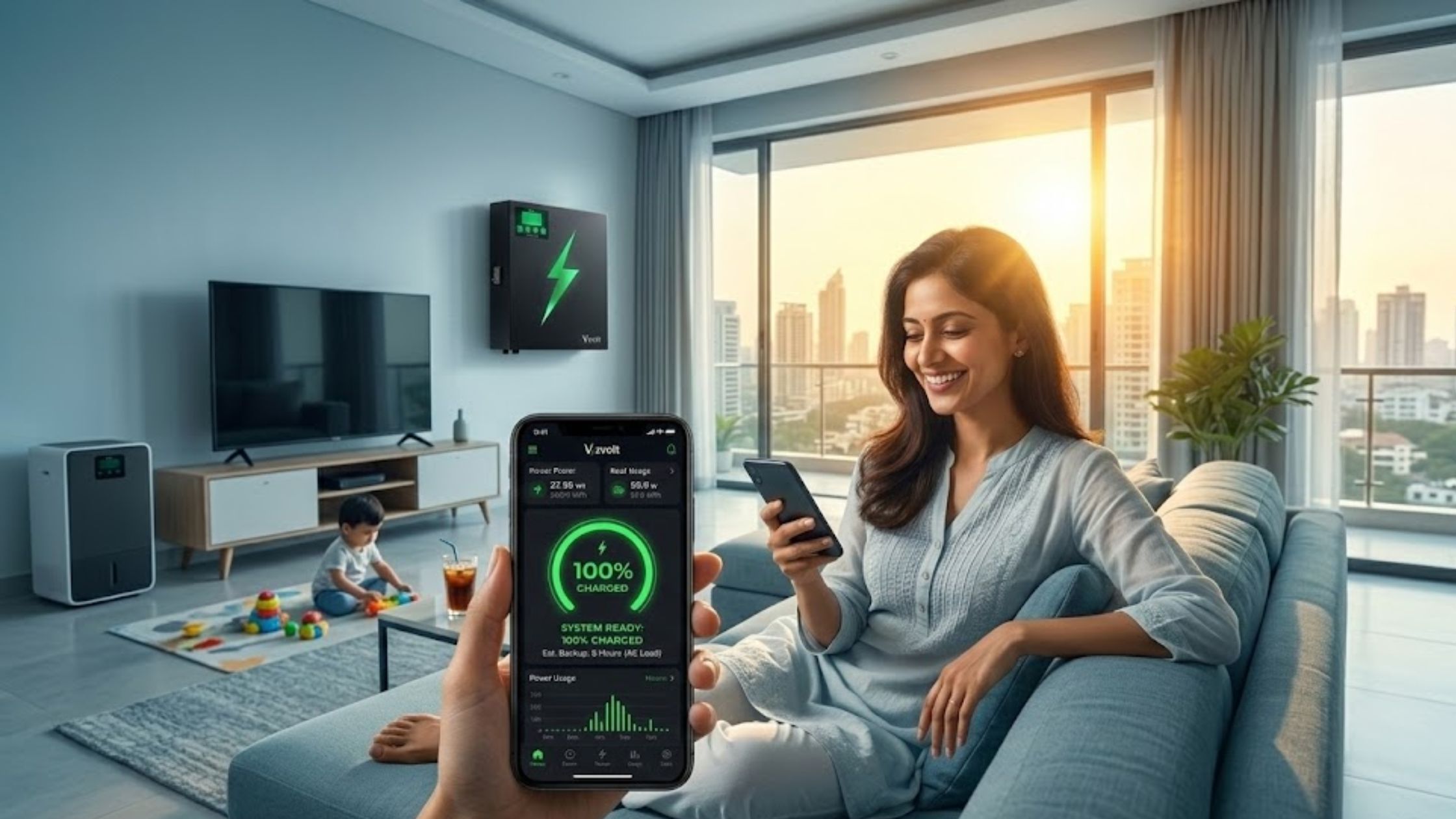
A few years ago, controlling home appliances from your phone felt futuristic. Today, we control lights, ACs, TVs, and even door locks through mobile apps. So naturally, many homeowners now ask: Can you control your inverter from your phone? The answer is yes – if you are using a smart inverter. Since this category is still new for Indian households, many people are not aware that modern inverters now come with app-based monitoring and control features. Let’s understand how it works and why it matters. Traditional Inverters vs Smart Inverters Most Indian homes still use traditional lead-acid inverter systems. These systems: If the battery level drops, you only find out when backup reduces. If there is a fault, you may not know immediately. That’s where smart inverters change the experience. Understanding Smart Inverter? A smart inverter is a next-generation backup system powered by advanced lithium battery technology and IoT connectivity. It connects to your home Wi-Fi and allows you to: All directly from your smartphone. This technology is still new in India, but it is becoming increasingly relevant as homes become more digital. How Does Mobile Control Work? Let’s break it down step by step. 1. Built-In IoT Module Smart inverters come with an integrated IoT (Internet of Things) module. This allows the device to connect to your home internet network. Once connected, it communicates data to a mobile application. 2. Mobile App Dashboard After installation, you download the brand’s official app. Inside the app, you can see: Instead of manually checking the inverter, you simply open your phone. 3. Instant Alerts If something unusual happens, the app can notify you: This prevents sudden backup failure and reduces emergency technician visits. Why Mobile Monitoring Matters in 2026 India’s power usage patterns have changed. Today, homes depend on: If power backup fails unexpectedly, productivity stops. Mobile monitoring gives control and peace of mind. You don’t wait for a problem. You see it in advance. Real-Life Use Cases 1. For Apartment Owners: You can monitor backup even when you are outside the home. 2. For Remote Workers: You can track battery levels before important meetings. 3. For Shop Owners: You can ensure your billing system stays powered during outages. 4. For Families: You get alerts without checking the inverter manually. Does This Increase Cost? Smart inverters usually cost more upfront than traditional systems. However, you gain: When viewed long-term, the value becomes clearer. Since this category is still a push marketing product in India, awareness is growing gradually. But as more homes adopt smart devices, smart power backup will likely become standard. Is It Safe to Connect Your Inverter to Wi-Fi? Yes. Modern smart inverter systems use secure connectivity protocols and encrypted communication. The inverter does not control your personal data. It only shares performance metrics related to power backup. FAQs Can I turn the inverter on or off using my phone? Some smart inverter systems allow remote control features. Others focus mainly on monitoring and alerts. Does it work without internet? Yes, the inverter still works as backup even without Wi-Fi. However, app monitoring requires internet connectivity. Is this technology reliable? Yes. IoT-based monitoring is already widely used in appliances and industrial systems. The Bigger Shift: From Backup to Smart Energy Earlier, inverters were passive devices. They worked only when power failed. Now, they are becoming intelligent energy systems. Instead of reacting to outages, you manage your power proactively. This shift is important for modern Indian homes that rely heavily on uninterrupted electricity. Why Choose Vizvolt Smart Inverter? If you are considering upgrading to a smart inverter with mobile monitoring, Vizvolt Smart Inverter offers: Vizvolt Smart Lithium Inverter is designed specifically for modern Indian households that want smarter, safer, and future-ready power backup. Instead of checking your inverter manually, you simply check your phone. Because in 2026, power backup should not just work. It should work intelligently.

Is Your Inverter Safe for Kids? What Most Indian Homes Ignore
Blog

Is Your Inverter Safe for Kids? What Most Indian Homes Ignore

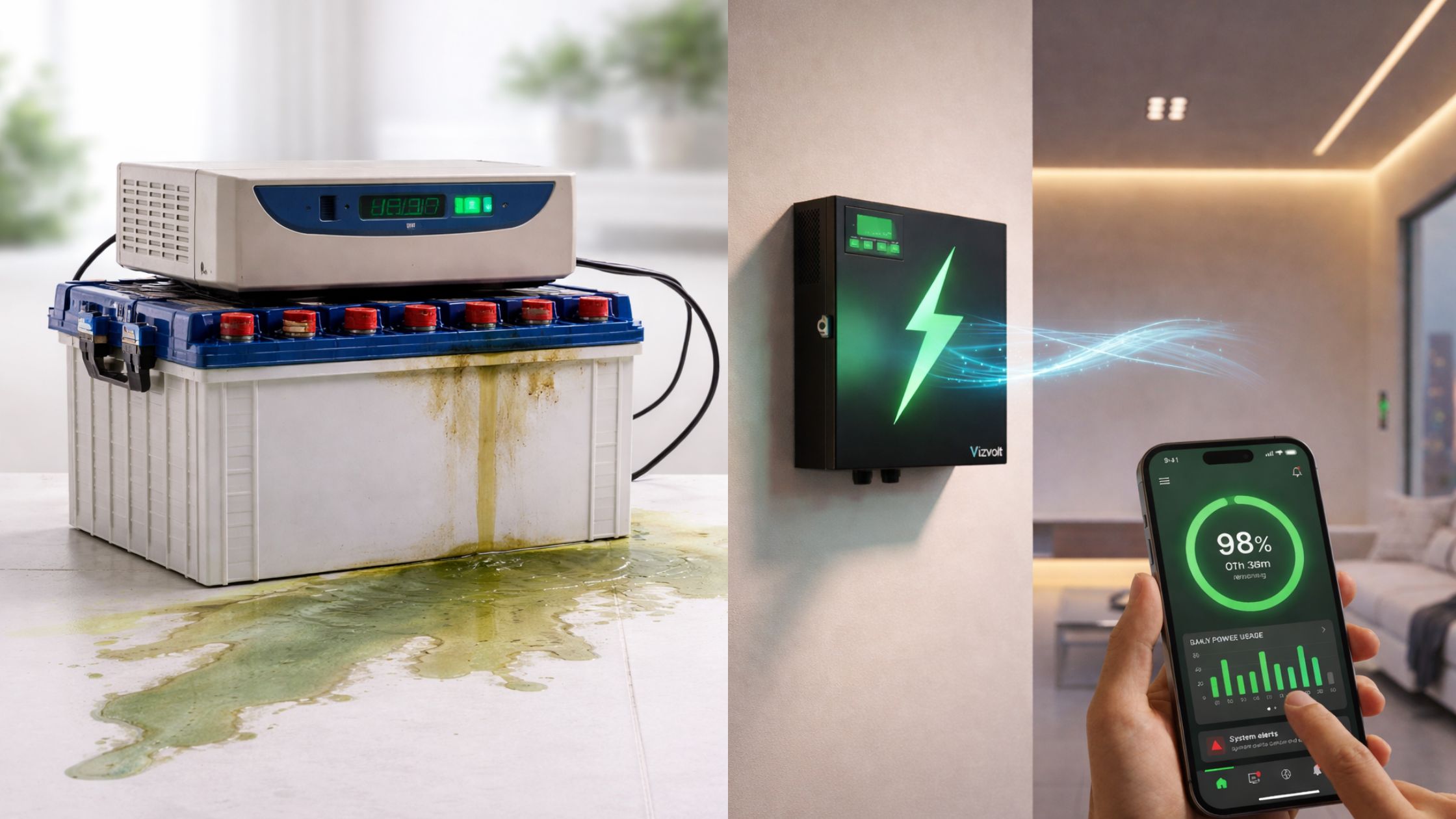
Inverter safety for kids is an important yet often overlooked topic in many Indian households. While power backup has become a basic necessity today, safety is rarely given the same level of attention. From online classes and work-from-home setups to daily household activities, electricity plays a central role in our lives. Inverters ensure that everything runs smoothly during power cuts, making them an essential part of modern homes. However, when it comes to choosing an inverter, most families focus only on factors like backup time, battery capacity, and cost. Very few stop to consider an equally critical aspect-whether the system is actually safe, especially for children. This raises an important question that every homeowner should ask: Is your inverter truly safe for kids? Why Inverter Safety for Kids Matters Today Modern homes are designed with safety in mind. Parents invest in: But inverter safety for kids is often ignored. Traditional systems may look harmless, but they can pose hidden risks-especially for curious children. Common Inverter Setups in Indian Homes Most households install inverters in places like: These setups often include: For adults, this is normal. For children, it can be risky. Inverter Safety for Kids: Hidden Risks You Should Know 1. Exposed Lead-Acid Batteries Traditional systems use lead-acid batteries. These include: Poor maintenance can lead to leakage or fumes. For children, touching these parts can be dangerous. 2. Acid Leakage and Health Risks Lead-acid batteries require regular maintenance. If ignored: Homes with toddlers are especially at risk. 3. Exposed Wires and Electrical Hazards Loose or visible wiring increases danger. Children may: This can lead to: 4. Floor-Level Installation Issues Most traditional setups are placed on the ground. This increases: In smaller apartments, this becomes even more concerning. Why Traditional Systems Fall Short on Safety Traditional inverters: They focus only on backup-not safety. How Modern Systems Improve Inverter Safety for Kids New-generation systems are designed with safety in mind. A modern inverter safety for kids approach includes: These features significantly reduce risk inside homes. Wall-Mounted Design: A Safer Alternative One of the biggest improvements is wall-mounted installation. Benefits include: This simple design change improves inverter safety for kids significantly. Smart Monitoring Adds Extra Protection Modern systems also offer smart monitoring features. You can: This helps prevent problems before they become dangerous. Signs Your Current Setup May Not Be Safe Ask yourself: If yes, your current setup may not meet proper inverter safety for kids standards. Why Vizvolt Is a Safer Choice for Families Vizvolt Smart Inverter is designed keeping inverter safety for kids in mind. Key Benefits: Vizvolt removes common safety risks found in traditional systems. Conclusion Inverter safety for kids is not something homeowners should ignore. While backup is important, safety is equally critical-especially in homes with children. Traditional systems may still work, but they are not designed for modern safety needs. Upgrading to a safer, smarter solution ensures: Because in a modern home, safety should never be compromised.

sM
Blog

The Real Reason Indian Homes Need Smart Power Monitoring

Smart power monitoring is becoming essential for modern Indian homes, yet many homeowners are still unaware of its importance. While power cuts are common, most people believe installing an inverter is enough. But in 2026, the real question is not just about backup—it’s about control. Today’s homes rely heavily on electricity for work, entertainment, communication, and security. Despite this, many households still use systems that provide no visibility into their power usage or backup performance. This is where smart power monitoring changes everything. Let’s understand why. Understanding Smart Power Monitoring? Smart power monitoring means tracking and managing your home’s power usage and backup system in real time. Instead of guessing: You see everything on your smartphone. It turns your inverter from a passive device into an intelligent system. The Real Problem: Lack of Visibility Most traditional inverter systems operate silently in the background. You don’t know: You only realize there’s an issue when backup fails. By then, it’s already inconvenient – or costly. Why Modern Indian Homes Need Smart power monitoring 1. Homes Are More Digital Now Today’s average home runs: These devices need stable and predictable power. Monitoring helps ensure your backup system supports this digital lifestyle. 2. Work-From-Home Requires Stability Remote professionals cannot afford sudden shutdowns. Smart monitoring allows you to: Instead of worrying about power cuts, you stay prepared. 3. Voltage Fluctuations Damage Appliances Unstable voltage silently damages electronics. Without monitoring, you may never know: Over time, this affects expensive appliances. Monitoring gives early warning signs. 4. Maintenance Becomes Predictable Traditional lead-acid systems require water topping and periodic checks. Many homeowners forget maintenance until performance drops. Smart monitoring systems notify you about: This reduces sudden breakdowns. Why Smart power monitoring Is Still New in India In India, inverter buying decisions usually focus on: Very few people consider: Since smart inverter systems are a new category, awareness is still developing. Because this segment is currently a push marketing product, education plays a major role. However, as homes adopt smart TVs, smart speakers, and IoT devices, power systems must also become intelligent. What Smart Monitoring Actually Solves Let’s simplify it. Without monitoring: With monitoring: It shifts control from reactive to preventive. Long-Term Financial Advantage Smart monitoring helps: Repairing a smart TV motherboard or refrigerator panel costs far more than investing in better power management. Monitoring protects your electronics investment. Who Should Consider Smart Power Monitoring? You should consider it if: Modern homes deserve modern control systems. The Bigger Shift: From Backup to Intelligent Energy Earlier, inverters only provided emergency power. Now, power systems are evolving into smart energy management tools. This shift is important because electricity is no longer just about lights and fans. It powers productivity, security, and connectivity. Smart monitoring ensures your power system supports this transformation. Why Choose Vizvolt Smart Inverter? If you are ready to upgrade from basic backup to intelligent power management, Vizvolt Smart Inverter offers: Vizvolt is built specifically for modern Indian homes that demand smarter, safer, and more reliable electricity. Instead of guessing what’s happening with your power, you stay informed and in control. Because in 2026, power backup should not just work in the background. It should work intelligently in your hands.

Shopping Cart
Scroll to Top