Lithium vs Lead Acid Inverter Batteries India 2026
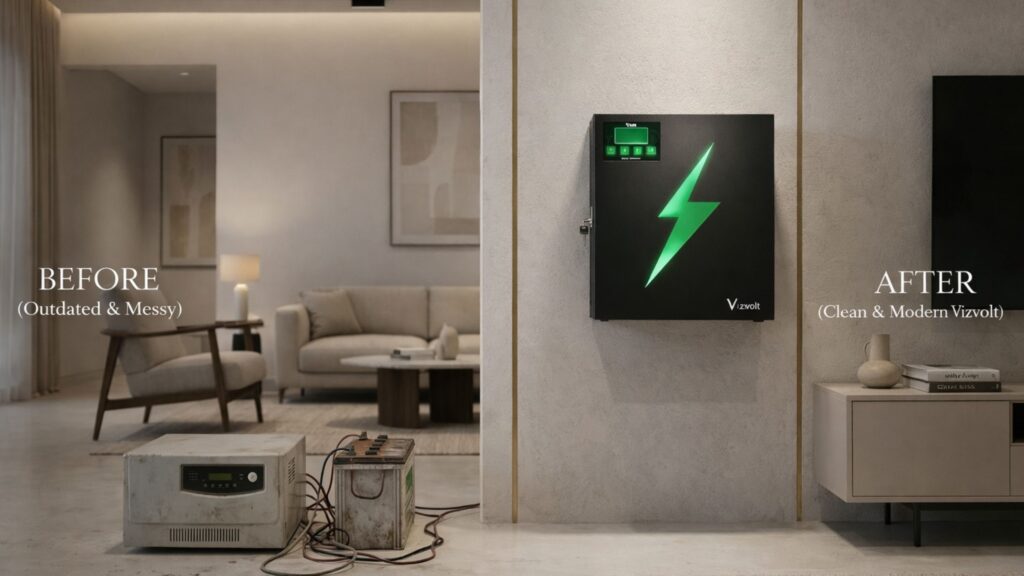
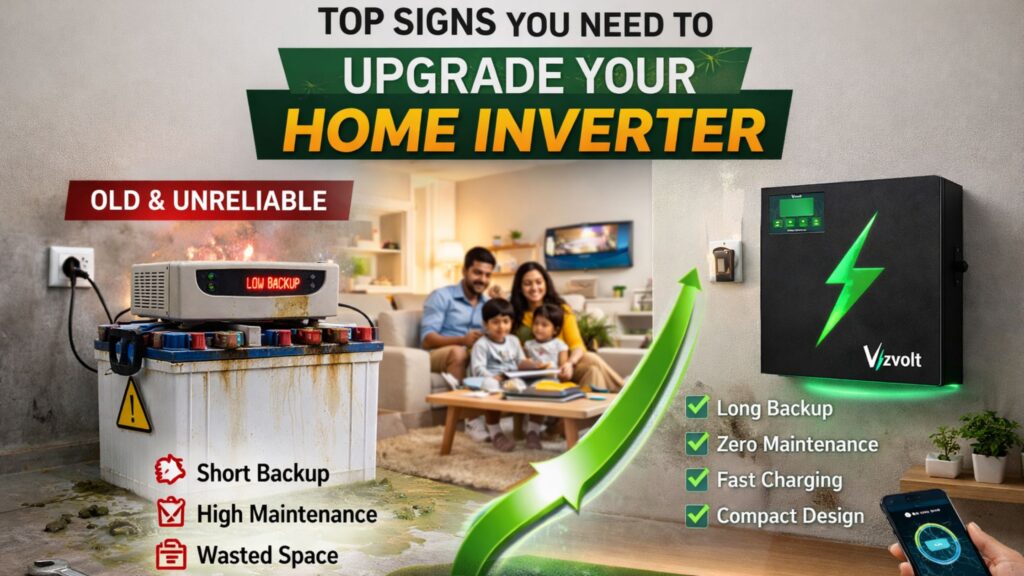
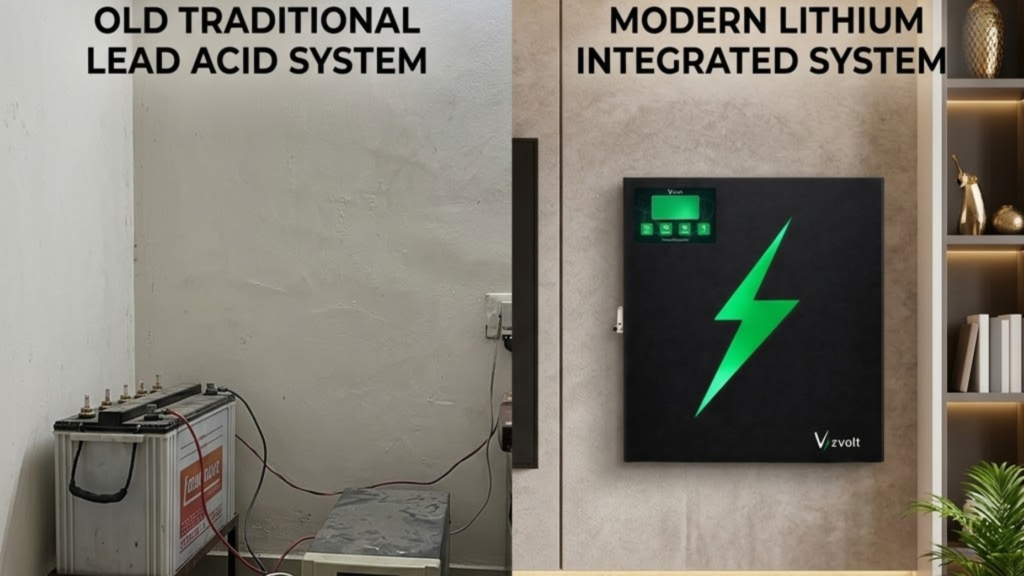
Every Indian home knows the pain of a power cut. And almost every home with an inverter is still using an old lead acid battery that leaks, smells, needs water every month, and dies in 3–4 years. In 2026, there is a much better choice: lithium vs lead acid inverter batteries is no longer a close comparison. Lithium has quietly become the smarter, safer, and more cost-effective solution for millions of Indian families. This guide breaks it all down – with real prices in rupees, honest comparisons, and one clear winner. Whether you live in Delhi, Mumbai, Chennai, or a Tier-2 city where power cuts are long and frequent, this article will help you make the right choice before buying your next inverter battery in India. The lithium vs lead acid inverter batteries debate is settled – here is the data. What is a Lead Acid Inverter Battery? Lead acid batteries have been powering Indian homes for over 30 years. They are the big, heavy, rectangular boxes you see in almost every home – usually kept in a corner or under a table, leaking white fumes and asking for distilled water every few weeks. Here is what you need to know about lead acid inverter batteries: For years, lead acid was the only affordable option. But those days are over. What is a Lithium Inverter Battery? Lithium Batteries are especially those using LiFePO4 (Lithium Iron Phosphate) chemistry — are the new standard for modern Indian homes. LiFePO4 is the safest lithium chemistry available, with no risk of fire or thermal runaway, unlike regular lithium-ion batteries in phones or laptops. When discussing lithium vs lead acid inverter batteries, lithium stands out because it solves many old problems homeowners still face. Here is what makes a LiFePO4 inverter battery India buyers are choosing in 2026 so different: lithium vs lead acid inverter batteries, Some lithium inverters in India now come with built-in LiFePO4 batteries – meaning the inverter and battery are one single unit. This is called an all-in-one lithium smart inverter, and the Vizvolt VAJR is the first of its kind in India. Lithium vs Lead Acid Inverter Batteries: How Lithium Works This lithium vs lead acid inverter batteries comparison table covers every factor. Let us compare both technologies side by side on every factor that matters for Indian homes in 2026: Feature Lithium (LiFePO4) Lead Acid Winner Upfront Price ₹25,000 – ₹55,000 ₹8,000 – ₹18,000 Lead Acid 10-Year Total Cost ₹35,000 – ₹55,000 (one time) ₹40,000 – ₹72,000 (3 replacements) ✓ Lithium Lifespan 7–10 years (5,000 cycles) 3-5 years (500–800 cycles) ✓ Lithium Maintenance Zero – fully sealed Top up water monthly ✓ Lithium Backup Efficiency 95%+ usable capacity 70–75% usable ✓ Lithium Weight 15–25 kg 50–65 kg ✓ Lithium Safety No gas, no acid, no fire risk Releases hydrogen gas ✓ Lithium Charging Time 2–4 hours 8–14 hours ✓ Lithium Temperature Performance Works fine up to 45°C Degrades in Indian summer heat ✓ Lithium Smart Monitoring App + BMS dashboard None ✓ Lithium Warranty 5–10 years 1–3 years ✓ Lithium Environmental Impact No toxic lead, recyclable Heavy toxic lead waste ✓ Lithium lithium vs lead acid inverter batteries the verdict: Lithium wins 10 out of 12 categories. Lead acid only wins on upfront price — and even that advantage disappears within 4–5 years of ownership. Lithium vs Lead Acid Inverter Batteries for Indian Homes lithium vs lead acid inverter batteries, India has some unique challenges that make lithium batteries an especially smart choice: This is why lithium vs lead acid inverter batteries is no longer just a comparison. It is a lifestyle decision.If you ask any electrician or inverter technician in India in 2026, they will tell you the same thing: “Lead acid is old technology. Lithium is the present and the future.” Why Vizvolt VAJR is the Best Lithium Inverter in India There are a few lithium inverter options available in India in 2026, but none quite like the Vizvolt VAJR. It is India’s first all-in-one lithium smart inverter – meaning the inverter, the LiFePO4 battery, and the Battery Management System (BMS) are all built into one compact, wall-mountable unit. No separate battery. No heavy box on the floor. No messy wiring between inverter and battery. Here is what makes Vizvolt VAJR stand out from every other best lithium inverter India option: No Maintenance Ever The Vizvolt VAJR uses sealed LiFePO4 technology. There is no water to add, no terminals to clean, no acid to worry about, and no gas to ventilate. Install it once and forget about maintenance for the next decade. This is especially valuable for working families, seniors, and anyone who simply does not have time to babysit a battery. 7-10 Year Battery Life The VAJR’s inbuilt LiFePO4 battery is rated for over 3,000 charge-discharge cycles. In a typical Indian home with 1–2 full cycles per day, that translates to 7 to 10 full years of reliable backup power. Compare that to replacing a lead acid battery every 3–4 years, and the savings are clear. The lithium inverter price in India for the Vizvolt VAJR pays for itself long before it needs replacing. Smart App Monitoring The Vizvolt VAJR connects to your smartphone via its smart monitoring system. You can see battery charge percentage, power input, load consumption, and health status — all from your phone, anywhere. Get alerts when the power goes, track how much backup you have left, and monitor the system’s health over time. No other inverter in this category gives Indian homeowners this level of visibility and control. Inbuilt LiFePO4 No separate battery needed. One unit, complete power solution. Smart App Control Monitor battery, load & alerts from anywhere on your phone. Zero Maintenance No water. No acid. No gas. Fully sealed and worry-free. Fast Charging Full charge in 2–4 hours. Ready for the next power cut. Wall-Mountable Saves floor space. Compact design for modern Indian homes. Indian Climate Ready Designed to perform in India’s heat, humidity & tough conditions. The Vizvolt VAJR is not just a product upgrade – it is a lifestyle upgrade.