Why Choosing the Lowest-Cost Inverter Can Be a Costly Mistake for New Homeowners
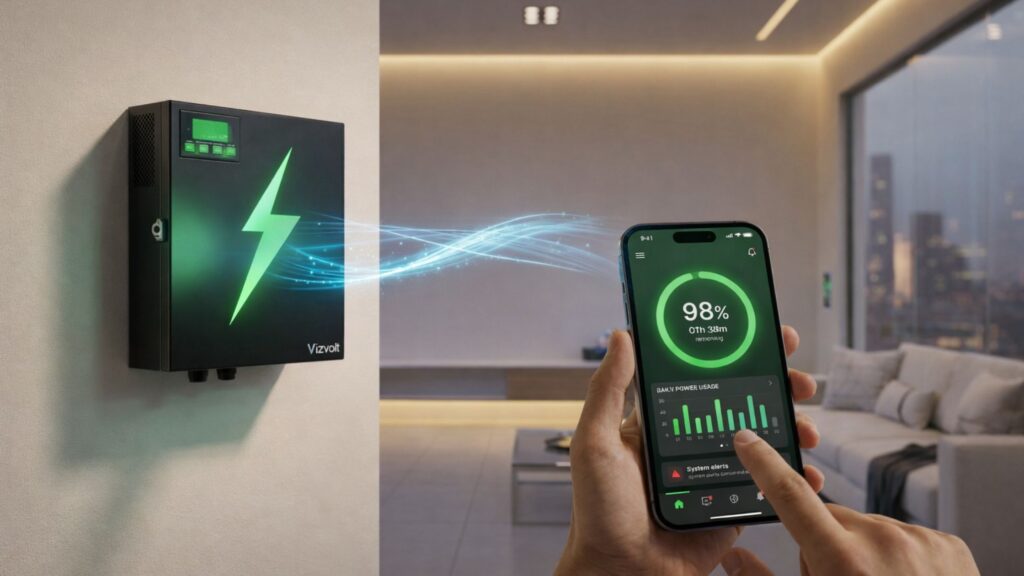
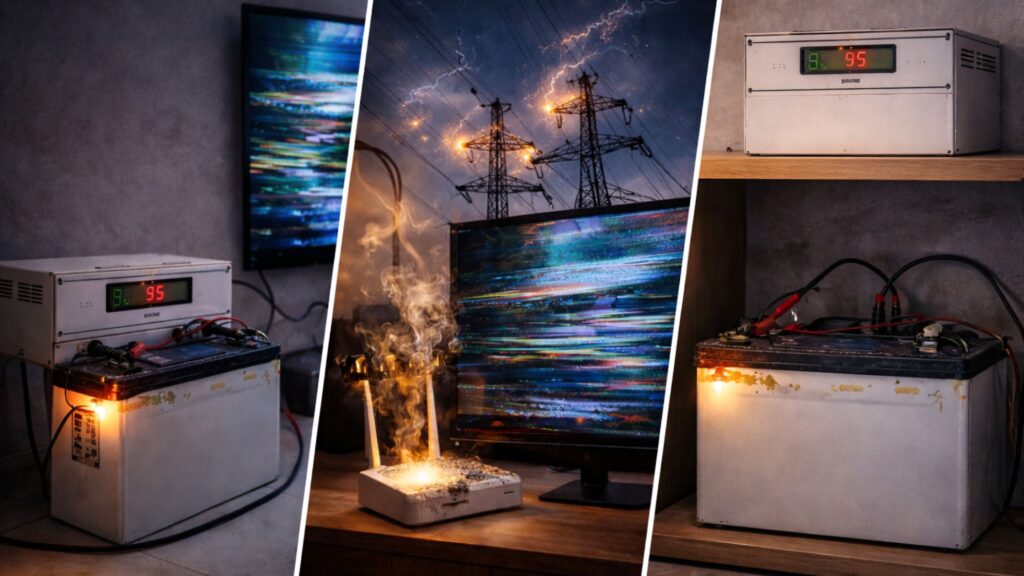
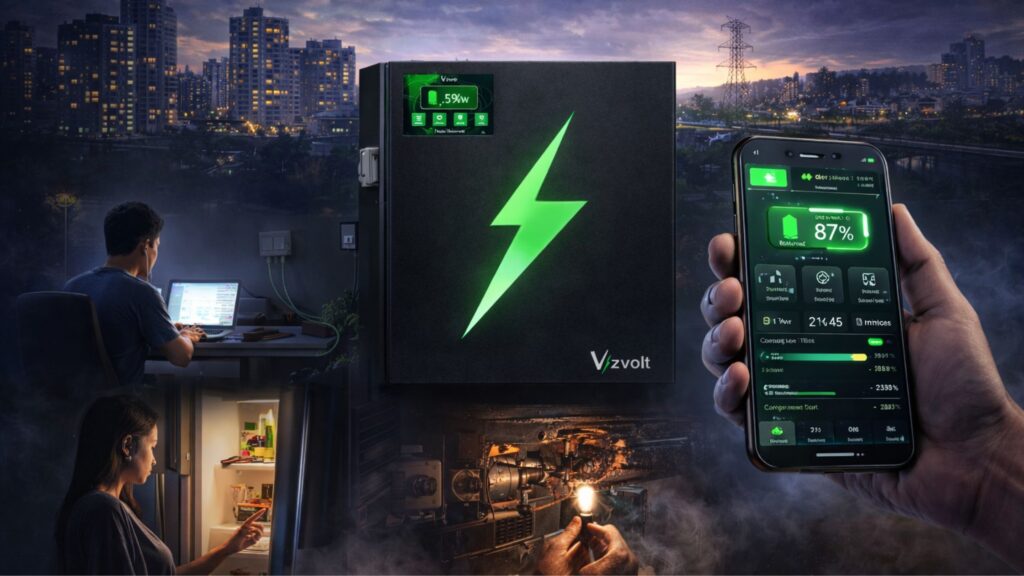
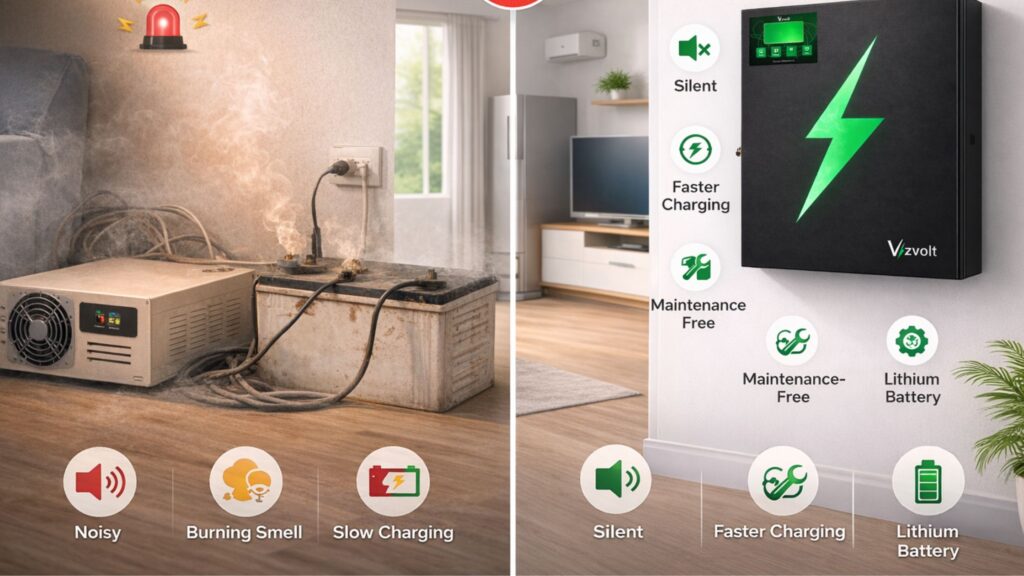
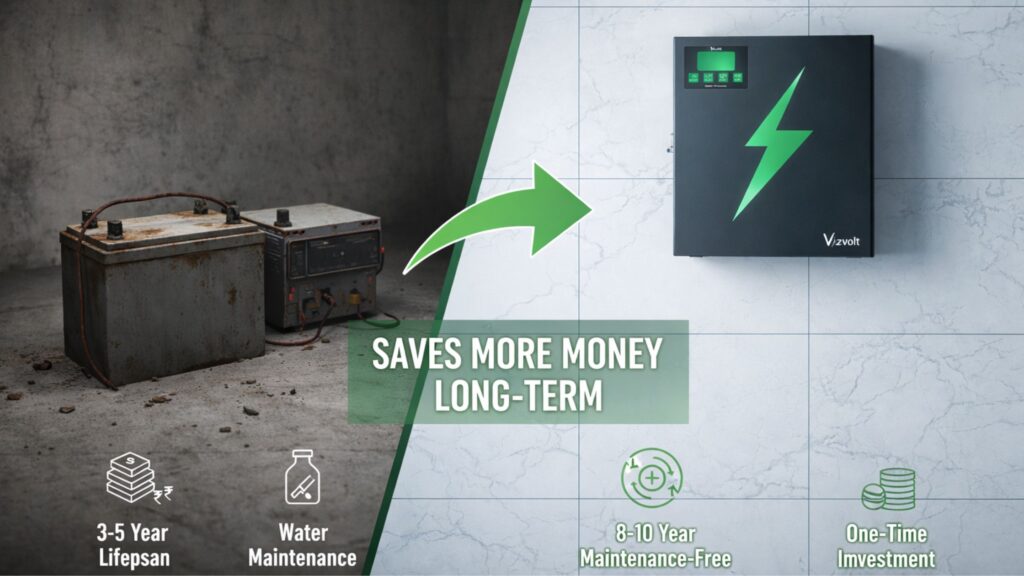
The lowest-cost inverter mistake is one of the most common yet overlooked decisions new homeowners make. When setting up a new home, people naturally focus on budgets—cutting costs wherever possible. Choosing a cheaper inverter seems like a practical decision. After all, it powers lights and fans, and the upfront price is low. But the reality is different. The lowest-cost inverter mistake often leads to higher expenses, poor performance, and ongoing inconvenience over time. Modern homes in 2026 demand more from power backup systems, and outdated or low-cost solutions struggle to keep up. 1. Ignoring Total Cost of Ownership The biggest issue with the lowest-cost inverter mistake is focusing only on upfront cost instead of total ownership cost. Traditional lead-acid inverter systems often involve: While each of these costs may seem small individually, together they significantly increase expenses over 8–10 years. 2.Not Matching Modern Lifestyle Needs Today’s homes are far more dependent on electricity than ever before. A typical household now runs: The lowest-cost inverter mistake happens when homeowners choose systems designed only for basic needs. These systems may not support modern digital lifestyles efficiently. 3.Underestimating Maintenance Effort Maintenance is often overlooked at the time of purchase. Lead-acid batteries require: Ignoring maintenance reduces battery life even faster. The lowest-cost inverter mistake turns into a recurring responsibility that consumes both time and money. 4. Overlooking Space Constraints Urban apartments are becoming more compact, making space an important factor. Traditional inverter setups: The lowest-cost inverter mistake ignores how valuable clean and efficient space utilization is in modern homes. 5. Ignoring Safety Factors Safety is another critical aspect. Lead-acid batteries: For families with children or pets, this can be risky. Avoiding the lowest-cost inverter mistake means prioritizing safety along with affordability. 6. Missing Out on Modern Technology Technology in power backup systems has improved significantly. Lithium-based inverter systems offer: The lowest-cost inverter mistake often comes from ignoring these modern advancements. 7. Choosing Short-Term Savings Over Reliability Low-cost systems may work fine initially, but over time: The lowest-cost inverter mistake leads to unreliable power when you need it most—during outages, work hours, or extreme weather. A Smarter Approach for Modern Homes Instead of focusing only on price, homeowners should evaluate: Lithium-based smart inverter systems are designed to meet these needs effectively. Why Vizvolt Is Built for Modern Living For homeowners looking to avoid the lowest-cost inverter mistake, Vizvolt Smart Inverter offers a practical upgrade. Key Features: Vizvolt lithium systems are designed to align with modern Indian homes that require reliable and efficient power backup. Conclusion The lowest-cost inverter mistake may seem like a smart decision at the time of purchase, but it often leads to higher costs, reduced efficiency, and ongoing inconvenience. A home is a long-term investment, and your power backup system should support that vision. By focusing on value instead of just price, you can ensure better performance, safety, and peace of mind. Avoid the lowest-cost inverter mistake today, and invest in a smarter, more reliable solution for the future.