Author name: Marketing Team

why ‘battery guesswork’ is a big problem in indian homes (and how smart inverters fix it)
Blog

Why ‘Battery Guesswork’ Is a Big Problem in Indian Homes (And How Smart Inverters Fix It)

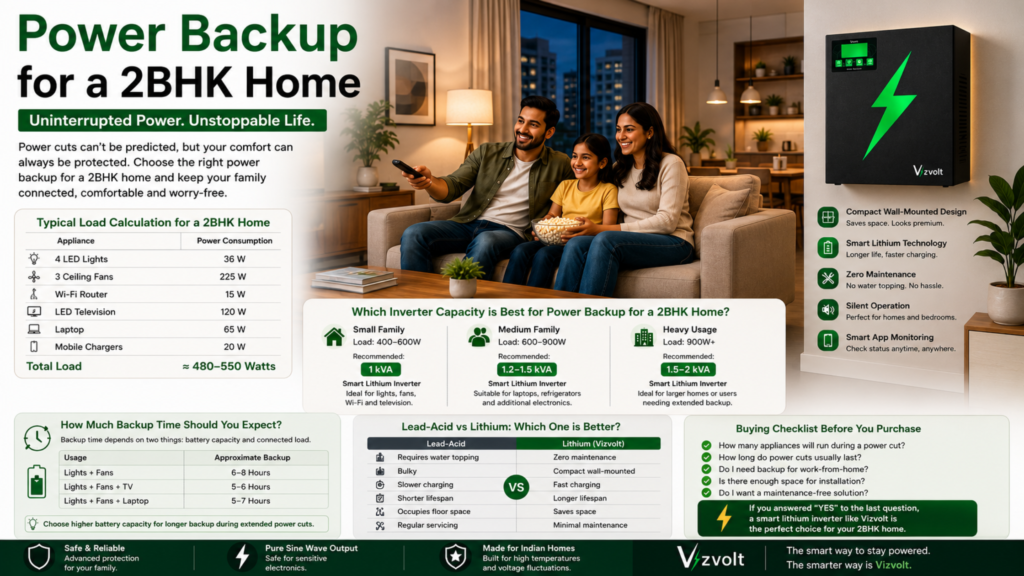
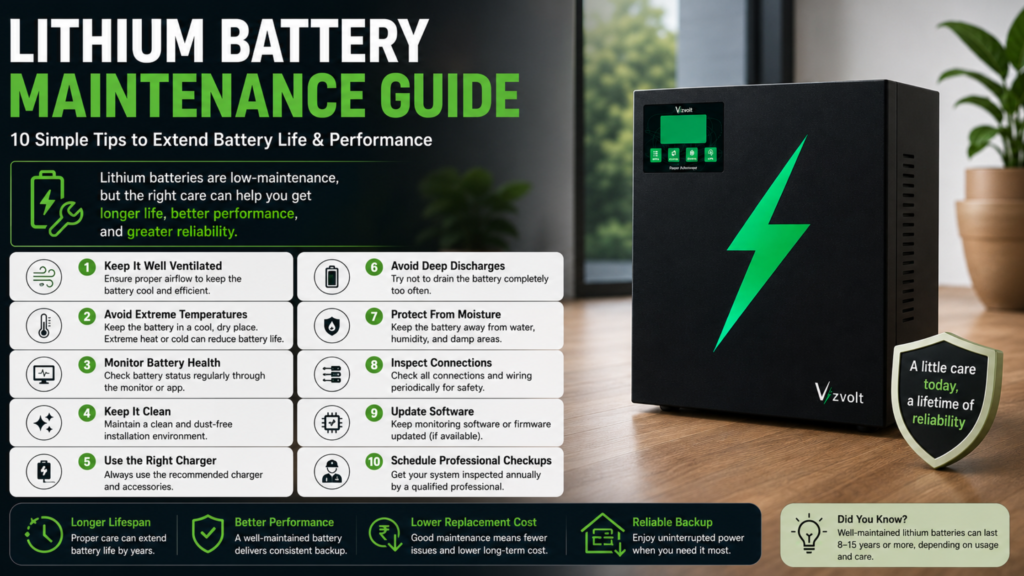
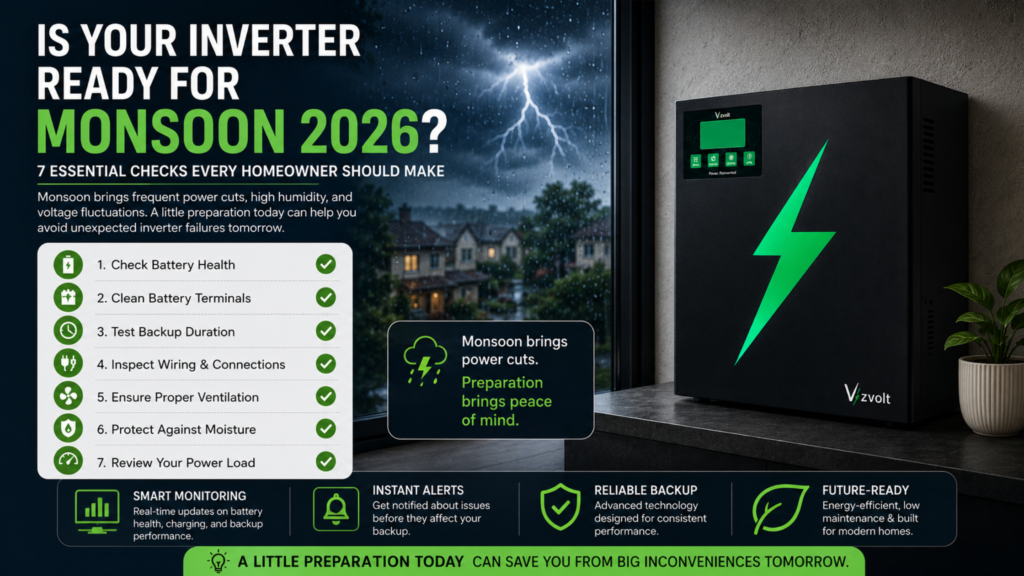
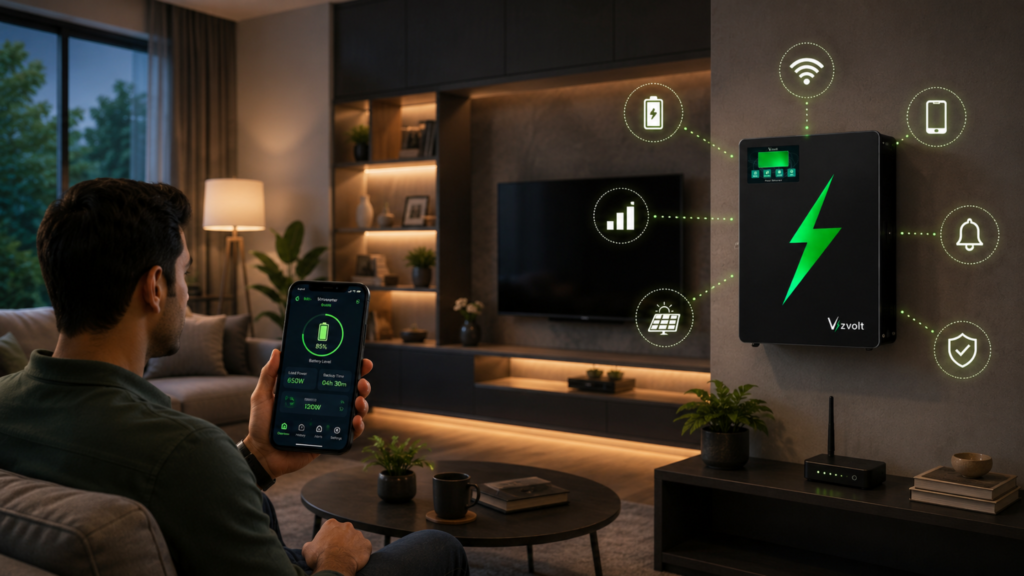
Battery Guesswork in Indian Homes is a silent problem that most families experience but rarely recognize. Power cuts are common across many parts of India. But the real issue is not the outage itself—it is the uncertainty that comes with it. Most households rely on traditional inverter systems. While these systems provide backup, they leave users guessing about one important question: How much power is actually left? This lack of clarity creates stress, poor decision-making, and unexpected disruptions. Understanding Battery Guesswork in Indian Homes? To understand Battery Guesswork in Indian Homes, think about everyday situations: Traditional inverters typically show only: They do not show: This forces users to depend on assumptions instead of actual data. Why Battery Guesswork in Indian Homes Is a Bigger Problem Than It Seems At first, this uncertainty feels manageable. But over time, Battery Guesswork in Indian Homes creates real challenges. 1. Sudden Power Failure During Important Moments One of the most frustrating effects of unexpected shutdown. This happens because battery performance declines gradually, but users have no visibility. 2. Battery Health Issues Go Unnoticed Another major issue with Battery Guesswork in Indian Homes is the lack of insight into battery condition. Without monitoring: By then, battery replacement becomes unavoidable. 3. Inefficient Power Usage During long power cuts, families often: This confusion is a direct result of Battery Guesswork in Indian Homes. Without clarity, energy usage becomes inefficient. 4. Maintenance Without Real Confidence Traditional inverter systems require: Even after all this effort, Battery Guesswork in Indian Homes remains. Maintenance does not provide real visibility into performance. Why Battery Guesswork in Indian Homes Is Increasing Today Modern homes are far more energy-dependent than before. Today’s households rely on: As energy demand becomes more complex, Battery Guesswork in Indian Homes becomes more problematic. The gap between usage and visibility continues to grow. How Smart Inverters Eliminate Battery Guesswork in Indian Homes Smart inverter systems are designed specifically to solve Battery Guesswork in Indian Homes. They provide: This replaces uncertainty with complete clarity. From Guesswork to Energy Awareness The shift away from Battery Guesswork in Indian Homes is about more than just technology. It is about: Instead of reacting to problems, users can: Power backup becomes predictable and manageable. Battery Guesswork in Indian Homes: Final Insight Battery Guesswork in Indian Homes may seem like a small inconvenience, but it has a significant impact on everyday life. It affects: As homes become more digital and connected, clarity becomes essential. A Smarter Way Forward for Indian Homes Modern homes need smarter, more reliable power solutions. Smart inverter systems offer: Solutions like Vizvolt are designed to eliminate guesswork and deliver a clean, seamless, and intelligent power experience for modern Indian homes. Because power backup should not leave you guessing. It should give you complete control and confidence.

from fans to wi fi how indian homes have become smarter but inverters haven’t
Blog

From Fans to Wi-Fi: How Indian Homes Have Become Smarter – But Inverters Haven’t

Smart Homes in India have undergone a massive transformation in the last decade. Step into any modern Indian home today, and you will immediately notice how technology has seamlessly integrated into daily life. Homes have clearly evolved into intelligent ecosystems. But in one corner of the house, something still feels outdated-the inverter. How Smart Homes Have Rapidly Evolved To understand the gap, we must first understand how Smart Homes in India have changed over time. A decade ago, electricity usage was simple. Most homes relied on power for: Today, the situation is very different. Modern Smart Homes in India depend heavily on electricity for: Electricity is no longer just a utility-it is the backbone of modern living. The Rise of Smart Homes in India The rapid growth of Smart Homes in India is driven by changing lifestyles and increasing digital adoption. Homeowners are investing in: This shift has changed expectations. Today’s users want: Convenience, control, and clarity have become standard expectations. Why Inverters Feel Outdated in Smart Homes Despite the evolution of Smart Homes in India, traditional inverters have not kept pace. Most conventional systems: This creates a clear disconnect between advanced home systems and outdated power backup. While everything else in the home is becoming smarter, the inverter remains stuck in the past. The Real Gap in Smart Homes: Lack of Visibility The biggest issue in Smart Homes in India is not just outdated hardware—it is the lack of visibility. Modern homes allow you to: But when the power goes out, many households still rely on guesswork. You don’t know: This breaks the seamless experience of a smart home. What Smart Homes Expect from Modern Power Systems To truly align with Smart Homes in India, power backup systems need to evolve. A modern inverter should offer: In simple terms, it should behave like every other smart device in the home. Why This Gap Is Becoming More Noticeable The gap in Smart Homes in India is becoming more evident due to several factors: As homes become smarter, weak links stand out more clearly. Power backup can no longer remain the only “non-smart” system. The Shift Toward Smarter Power Backup in Smart Homes in India The next phase of Smart Homes in India is already taking shape. Homes are gradually moving toward: Power backup is evolving from a basic necessity to an intelligent system. Smart Homes in India: Closing the Gap To fully realize the potential of Smart Homes in India, every component of the home must align—including power backup. An outdated inverter creates: Closing this gap improves both convenience and confidence. A Smarter Direction for Modern Indian Homes Modern homes deserve modern energy solutions. Smart inverter systems offer: Solutions like Vizvolt are designed specifically for Smart Homes in India, delivering a clean, intelligent, and future-ready power experience. Because in a truly smart home, every system should work together-quietly, efficiently, and intelligently.

power cuts in india are changing — is your inverter smart enough to handle them
Blog

Power Cuts in India Are Changing – Is Your Inverter Smart Enough to Handle Them?

Power cuts in India are not new. What is new is how unpredictable and demanding they have become. A few years ago, a power cut meant lights and fans going off for some time. Today, it affects work calls, online classes, Wi-Fi, security systems, and daily routines. The nature of power cuts has changed-but most inverter systems have not. This gap is creating new problems inside Indian homes. Power Cuts Don’t Look the Same Anymore Earlier, power cuts were: Today, they are often: In many cities and towns, power now goes off without warning and comes back without a fixed timeline. This uncertainty changes how households experience outages. Modern Homes Depend on Constant Power Indian homes today run on electricity more than ever. Power is needed for: During long or repeated power cuts, even a short loss of backup can disrupt daily life. This is where the limitations of traditional inverters become visible. The Problem with Old-Style Inverters in Today’s Reality Most traditional inverters were designed for a simpler time. They usually: When power cuts were short, this was manageable. With today’s unpredictable outages, it creates stress. People start guessing: This guesswork is the real problem. Why Power Cuts Now Need Smarter Backu The issue is no longer just power loss. It’s lack of information during power loss. During long outages, households need: In short, they need power management, not just power backup. What “Smart Enough” Really Means Today A smarter inverter is not about complexity. It’s about clarity and control. In today’s conditions, a power backup system should: This is where smart inverter technology starts to matter. How Vizvolt Fits into This Changing Landscape Vizvolt Smart Inverter is built keeping this new reality in mind. Instead of treating power backup as an emergency-only device. Vizvolt focuses on: The idea is simple when power cuts change, backup systems must change too. Power Backup Needs to Evolve with Power Cuts Power cuts in India are becoming more unpredictable, not less. Homes are becoming more dependent on electricity, not less. In this changing environment, relying on old systems creates stress and uncertainty. Smarter power backup solutions help households move from reacting during outages to staying prepared. And this shift-toward clarity, calm, and better control-is why modern homes are beginning to rethink what “backup” should really mean.

can an inverter be controlled from your phone yes here’s how smart inverters work
Blog

Can an Inverter Be Controlled from Your Phone? Yes – Here’s How Smart Inverters Work

For years, inverters in Indian homes worked quietly in a corner. No screen, no updates, no information-just a few lights and a lot of guessing. Today, almost everything in our homes can be checked on a phone. So a simple question naturally comes up: Can an inverter also be controlled or monitored from a smartphone? The answer is yes.And this is where smart inverters change the experience completely. Why People Feel Disconnected from Their Inverter Most traditional inverters don’t tell users much. People often don’t know: During power cuts, this lack of information creates stress-especially when work, online classes, or Wi-Fi depend on electricity. Smart inverters were designed to solve this exact gap. What Does “Phone-Controlled Inverter” Actually Mean? A phone-connected inverter doesn’t mean you are constantly controlling buttons. It simply means: Through a mobile app, users can see real-time data instead of guessing. How Smart Inverters Use App + IoT (In Simple Words) Smart inverters use IoT (Internet of Things) technology. This allows the inverter to: The app becomes a window into your power backup system. No technical knowledge needed-just clear information. What Can You See on a Smart Inverter App? While features vary, most smart inverter apps show things like: Instead of checking lights or guessing, users get clarity on their phone. Why This Matters in Indian Homes In India, power cuts are: During these moments, people want answers-not confusion. With app-based monitoring: This turns panic into planning. Is Using an App Complicated? This is a common concern-but it doesn’t have to be. Well-designed smart inverter apps are made for everyday users: The technology works quietly in the background.You only check it when you want to. How This Changes Daily Life When people can check their inverter on a phone: Power backup becomes something you trust, not something you constantly manage. Where Vizvolt Fits In Vizvolt Smart Inverter is built around this modern approach to power backup. Instead of hiding information behind basic indicators, Vizvolt focuses on: The idea is not to make power backup complicated – but to make it clear, calm, and reliable. Power Backup Should Feel Connected, Not Confusing In today’s homes, phones already help us manage work, health, and daily routines. So it makes sense that power backup also becomes easier to understand. Smart inverters bring transparency where there was once guesswork. They don’t just provide backup-they provide confidence. And that shift toward clarity and control is exactly why app-enabled solutions like Vizvolt are becoming part of modern Indian homes.

what is real time battery monitoring and why it matters during long power cuts
Blog

What Is Real-Time Battery Monitoring and Why It Matters During Long Power Cuts

Power cuts are common in India. What usually makes them stressful is not the power cut itself-but not knowing how long the backup will last. Most homes still depend on traditional inverter systems where people guess, wait, and worry. This is where real-time battery monitoring becomes important, especially during long and unpredictable power cuts. In this blog, we explain what real-time battery monitoring actually means, why it matters for Indian households, and how it changes the power-backup experience. What Is Real-Time Battery Monitoring? (In Simple Words) Real-time battery monitoring means knowing the actual condition of your battery at any moment-not an estimate, not a guess. Instead of basic lights like charging or low, real-time monitoring tracks live data such as: In short, it tells you what is happening now, not what might happen. Why Guesswork Fails During Long Power Cuts In many Indian homes, power cuts don’t last 10-15 minutes. They last hours-especially during: With regular inverters, people often: This stress happens because there is no clear information. The Biggest Problem with Traditional Inverter Displays Most traditional inverter displays show: What they don’t show: As a result, users only find out something is wrong when the battery suddenly fails. How Real-Time Monitoring Changes the Experience Real-time battery monitoring changes power backup from a reaction-based system to an information-based system. Here’s how it helps during long power cuts: 1. You Know How Long the Power Will Last Instead of guessing, you can see realistic backup information based on current usage. 2. You Can Make Smarter Decisions If you know how much backup is left, you can decide: 3. Less Panic, More Control Clarity reduces stress. When people know what’s happening, they stop checking repeatedly. 4. Early Warning Before Problems Real-time data helps identify battery issues before complete failure. Why This Matters Especially for Modern Indian Homes Today’s homes depend on power for more than lights and fans.They rely on electricity for: During long power cuts, losing backup suddenly can disrupt: Real-time monitoring helps homes stay planned, not panicked. Is Real-Time Monitoring Complicated? This is a common concern-but it shouldn’t be. Good real-time monitoring systems are designed to: The goal is not to overwhelm users with data, but to give clear, useful insight. Where Vizvolt Fits In Vizvolt Smart Inverter is built around the idea that power backup should be transparent and stress-free. Instead of hiding information behind basic indicators, Vizvolt focuses on: The intention is simple: when users understand their power, they trust it more. Long Power Cuts Need Better Information, Not More Checking Long power cuts are a reality in India. But confusion, stress, and guesswork don’t have to be. Real-time battery monitoring helps households move from: And this shift toward transparency is exactly why modern power-backup solutions like Vizvolt are becoming relevant for today’s Indian homes.

is paying more for a smart inverter a smart decision
Blog

Understanding the Real Cost of Home Inverters Over Time

When people hear the term smart inverter, the first question is usually simple: “Is it worth the extra cost?” For many Indian households, an inverter is already a big purchase.So it’s natural to compare prices and wonder whether upgrading to a smart inverter actually makes financial sense-or if it’s just an added feature. Let’s break this down honestly, in simple terms. Why Smart Inverters Cost More Than Regular Inverters A traditional inverter mainly does one job:provide backup power during a power cut. A smart inverter, on the other hand, is designed to: This added capability is the reason smart inverters usually come at a higher upfront price. But upfront cost is only one part of the equation. The Real Cost of a Regular Inverter (Over Time) Most people only consider the purchase price.They rarely calculate what a regular inverter actually costs over 5–7 years. Here are the common hidden costs: 1. Battery Replacement Comes Earlier Than Expected Early battery replacement means extra, unplanned expense. 2. Regular Maintenance Adds Up Traditional inverter systems often require: Even if each task seems small, over years it adds: 3. Inefficient Backup Wastes Battery Life Without clear information: This shortens battery lifespan and increases replacement frequency. 4. Sudden Failures Create Emergency Spending Unexpected inverter or battery failure often leads to: Emergency decisions are almost always more expensive. How Smart Inverters Change the Cost Equation Smart inverters are not about saving money on day one.They are about reducing avoidable costs over time. Here’s how they help financially: 1. Better Battery Health Awareness When battery health is visible: This alone can save significant money over years. 2. Lower Maintenance Expenses Smart inverters are designed to: Less maintenance means lower long-term ownership cost. 3. Improved Usage Efficiency Clear backup information helps households: Efficient usage directly impacts battery longevity. 4. Fewer Power-Related Disruptions For homes dependent on: Avoiding power surprises saves not just money-but productivity and peace of mind, which also has value. Cost vs Value: The Perspective Shift A regular inverter looks cheaper at the billing counter.A smart inverter often proves cheaper over its lifetime. The question changes from: “How much does it cost today?” to: “How much will it cost me over the next 5–7 years?” This shift in thinking is why many households are reconsidering their choice. Is a Smart Inverter Right for Every Home Not every household needs the same solution. A smart inverter makes the most sense for homes that: For such homes, the long-term value often outweighs the higher upfront price. Where Vizvolt Fits In Vizvolt Smart Inverter is built around this exact cost-vs-value question. Instead of focusing only on backup capacity, Vizvolt focuses on: The idea is simple: help households spend smarter over time, not just cheaper at purchase. A smart inverter is not about paying more. It’s about avoiding unnecessary expenses later. When long-term battery life, maintenance, reliability, and peace of mind are considered, the price difference starts to make sense. For Indian homes thinking beyond short-term cost and toward long-term comfort, smart power backup is increasingly becoming a practical investment-not a luxury.

inverter battery failing without warning here’s why it happens
Blog

Inverter Battery Failing Without Warning? Here’s Why It Happens

Many Indian households experience this situation sooner or later: The inverter works normally for months. Then one day, during a power cut, the backup suddenly drops-or stops altogether. There is no clear warning.No prior indication.Just inconvenience and confusion. In most cases, the battery did not fail suddenly. It failed gradually, without being noticed. The Common Assumption: “The Battery Just Reached Its End” When an inverter battery fails, people usually assume: “The battery is old, so it stopped working.” While battery age matters, it is not the only reason. In reality, inverter batteries lose strength slowly over time. The real issue is that most systems do not show battery health clearly, so users are unaware of the decline. Why Inverter Batteries Fail Without Warning 1. Battery Health Is Not Visible in Traditional Inverters Most regular inverters display only basic indicators: These indicators do not reveal: As a result, the battery may appear normal—even when it is not. 2. Battery Capacity Reduces Gradually All batteries degrade with use. Over time: This process happens slowly, often over months or years.Because the change is gradual, it goes unnoticed until the battery can no longer support a power cut. 3. Maintenance Gaps Accelerate Battery Wear In many homes: These small issues may not cause immediate failure, but they shorten battery life significantly over time. 4. Backup Time Masks the Real Problem As battery strength declines: Instead of identifying a battery issue, people often assume: “Power cuts are longer these days.” By the time the problem becomes obvious, the battery is already close to failure. Introducing an Important Concept: SOH (State of Health) This is where SOH – State of Health becomes important. What Is SOH in Simple Terms? SOH indicates the actual condition of the battery. It helps answer questions such as: Think of SOH as a health report for the battery, not just a charging signal. Why SOH Matters for Indian Homes When battery health is visible: Without SOH, users are forced to rely on assumptions.With SOH, they can rely on information. Why Most Inverters Don’t Show Battery Health Traditional inverter systems were designed mainly to: They were not built to: As household power needs grow, this limitation becomes more noticeable. How Modern Power Backup Is Evolving Today’s Indian homes depend on electricity for: Because of this, modern power backup solutions are beginning to focus on: The emphasis is shifting from reactive replacement to preventive awareness. Where Vizvolt Comes In Vizvolt Smart Inverter is designed to address one of the most common pain points-battery failure without warning. By focusing on battery health awareness, Vizvolt aims to: The objective is simple: to reduce uncertainty and prevent unexpected power failures. Inverter batteries rarely fail overnight. They fail quietly, when their health is not being monitored. Understanding why batteries fail without warning-and becoming aware of concepts like State of Health (SOH)—helps households make more informed, future-ready power decisions. As Indian homes move toward smarter and more reliable power backup, battery health visibility is no longer optional.It is becoming a basic expectation.

understanding soc & soh in simple words the two numbers that decide your power backup
Blog

Understanding SOC & SOH in Simple Words: The Two Numbers That Decide Your Power Backup

When it comes to inverters, most people focus on just one thing: “How long will the backup last?” But the real answer depends on two important numbers that most households have never heard of: SOC and SOH These two values quietly decide: Let’s understand them in simple, non-technical words. Why Inverter Backup Often Feels Unpredictable Many Indian homes experience this: This inconsistency usually has nothing to do with power cuts alone.It is linked to battery status, which regular inverters don’t explain clearly. That’s where SOC and SOH come in. What Is SOC? (State of Charge) SOC tells you how much charge is left in the battery right now. Think of SOC like the fuel gauge in a car: SOC answers the question: “How much backup can I use right now?” Why SOC Matters in Daily Life SOC helps you: Without SOC clarity, people are left guessing during outages. What Is SOH? (State of Health) SOH tells you how healthy the battery is overall. If SOC is how much fuel is left, SOH is how good the engine still is. SOH answers questions like: A battery can show 100% SOC but still have poor SOH. Why SOH Is More Important Than People Thin This is the reason many batteries fail without warning. As SOH reduces: Without SOH information, users don’t get any early warning. SOC vs SOH: A Simple Comparison Aspect SOC SOH What it shows Current charge level Overall battery condition Changes Daily / hourly Slowly over months or years Helps with Immediate backup planning Long-term reliability Visible in old inverters Sometimes Rarely Both numbers are important-but they serve different purposes. Why Regular Inverters Don’t Explain This Clearly Traditional inverters usually show: They do not explain: As a result, people trust the system-until it stops working. Why Modern Homes Need SOC + SOH Visibility Indian homes today depend on electricity for: In such homes, power backup is no longer optional-it’s essential. Understanding SOC and SOH helps families: How Vizvolt Approaches Battery Awareness Vizvolt Smart Inverter is built with the idea that users should understand their power backup, not guess it. By focusing on battery awareness, Vizvolt aims to: The goal is not to overload users with data-but to give them clear, useful insight. In Simple SOC and SOH may sound technical, but they answer two very simple questions: When both are understood, power backup becomes predictable instead of stressful. As Indian homes move toward smarter living, knowing these two numbers is becoming as important as having an inverter itself. Because better power decisions start with better information.

5 hidden problems with regular inverters that sellers never tell you
Blog

5 Hidden Problems with Regular Inverters That Sellers Never Tell You

In India, buying an inverter usually feels simple. A shopkeeper suggests a model, you hear the backup capacity, and the decision is made. But what most people don’t realize is that regular inverters come with hidden problems-issues that are rarely explained at the time of purchase. These problems don’t show up on day one. They appear slowly, during power cuts, summers, and daily use. Let’s look at five common problems with regular inverters that most sellers never talk about. 1. You Never Really Know Your Battery’s Health Most regular inverters only show: What they don’t show is: This leads to battery guesswork. People assume everything is fine-until one day, the inverter suddenly stops giving backup. By then, the battery is already damaged. 2. Backup Time Is Often Misleading Many inverter users believe they have “3-4 hours backup.” In reality: Regular inverters don’t explain this clearly.So during long power cuts, people are left confused and frustrated when power runs out early. This gap between expected backup and real backup is one of the biggest disappointments for users. 3. Manual Maintenance Becomes a Long-Term Hassle Regular inverter batteries usually require: At first, this feels manageable.Over time, it becomes a regular chore-especially for families, senior citizens, or busy households. Miss a few checks, and battery life reduces quietly in the background. 4. Leakage and Safety Concerns Are Often Ignore Old-style inverter batteries can: This is rarely discussed during purchase. In homes with: These risks matter more than people realize.Yet most users only think about safety after a problem appears. 5. Regular Inverters Were Designed for a Different Time Most traditional inverters were designed years ago-when homes mainly needed power for: Today’s homes depend on: Power usage has changed, but inverter technology in many homes has not. This mismatch creates stress during power cuts. Why These Problems Stay “Hidden” These issues are not hidden because of bad intentions.They stay hidden because: By the time users understand them, replacement feels like the only option. What Today’s Homes Should Start Expecting from Power Backup As Indian homes evolve, expectations from power backup are also changing. Many households now want: This shift is slowly giving rise to new approaches in inverter technology, designed around transparency, ease of use, and daily comfort. Regular inverters still work-but working is no longer enough. In 2026, Indian homes are asking better questions: Understanding these hidden problems is the first step toward better power decisions. How Vizvolt Addresses These Everyday Problems Vizvolt Smart Inverter is built specifically to solve the problems people face with regular inverters. Instead of focusing only on backup, it focuses on clarity, safety, and ease of use. Vizvolt is designed to: Rather than reacting after problems appear, the idea is to prevent those problems in the first place. Regular inverters still work-but working is no longer enough. Indian homes today need power backup that: Understanding the hidden problems of old inverters helps households make better, future-ready power choices-and this shift is exactly why solutions like Vizvolt are gaining attention

how much backup time do you actually have why most inverter displays lie
Blog

How Much Backup Time Do You Actually Have? Why Most Inverter Displays Lie

Most inverter users in India believe one simple thing: “My inverter gives 3-4 hours of backup.” But during a real power cut, that number often turns out to be wrong. The lights go off earlier than expected.The fan slows down.The Wi-Fi suddenly stops. This leads to one big question that many people never ask: How much backup time do you actually have? Why People Trust Inverter Displays Without Question Most regular inverters show very basic information: Because the display looks official, people trust it.But these displays usually do not show the full picture. They give an assumption, not a real-time answer. The Truth: Backup Time Is Not a Fixed Number Backup time depends on many changing factors, such as: A display that says “3 hours” cannot stay accurate if these factors keep changing. Yet most traditional inverters do not update this information clearly. Problem 1: Battery Health Is Not Visible One major reason inverter displays lie is battery health. Over time: But regular inverter displays: So the inverter still looks normal-until backup suddenly drops. Problem 2: Load Changes Are Ignored Many people turn on extra appliances during power cuts: Each added appliance reduces backup time. Most inverter displays: This creates confusion and frustration. Problem 3: Old Batteries Give False Confidence As batteries age: The display does not tell you: So people are caught off-guard during long power cuts. Why This Becomes a Big Trust Issue When backup time fails: But the real issue is lack of clear information. Most users are not told: This gap between expectation and reality breaks trust. What Indian Homes Really Need From Backup Information Today’s homes depend on electricity for: Because of this, households now expect: Simply showing “battery full” is no longer enough. The Shift Toward Real-Time Monitoring This growing frustration has led to a shift in how people think about power backup. Many modern power solutions now focus on: The idea is simple:If people can see accurate information, they can plan better. How Vizvolt Solves the Backup Time Confusion Vizvolt Smart Inverter is designed around this exact problem-backup time confusion and guesswork. Instead of relying on rough indicators, Vizvolt focuses on: The goal is not just to provide backup, but to provide clarity and confidence. The Future of Power Backup Is Transparency Most inverter displays don’t lie on purpose. They simply don’t show enough information. But in today’s Indian homes, not knowing your real backup time is a problem. Understanding how backup actually works-and choosing solutions that offer transparency- helps families make better, future-ready power decisions. And this shift toward clarity is exactly why solutions like Vizvolt are becoming part of modern homes.

Shopping Cart
Scroll to Top