Hidden Costs of Using Lead-Acid Inverters in 2026
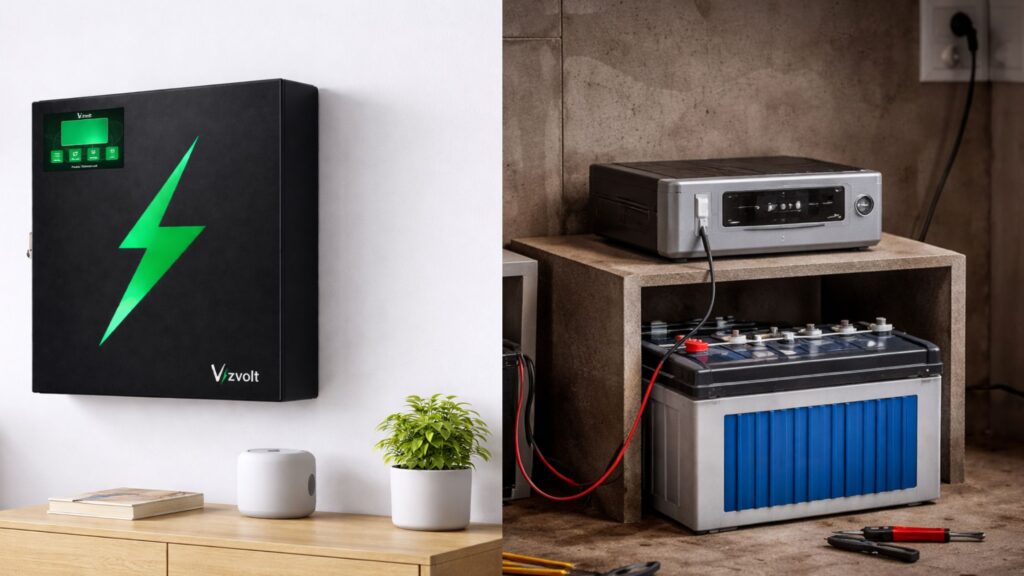
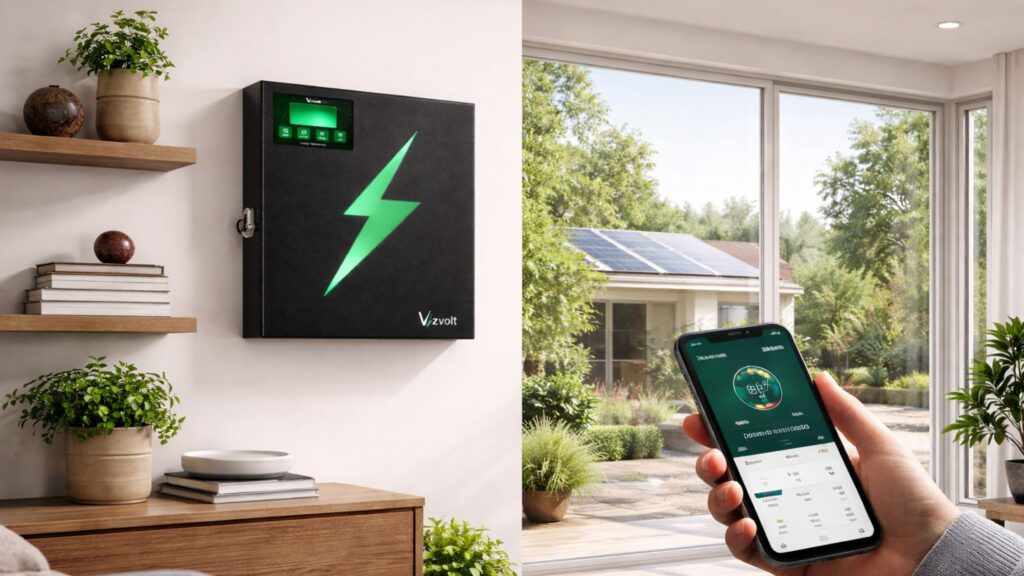
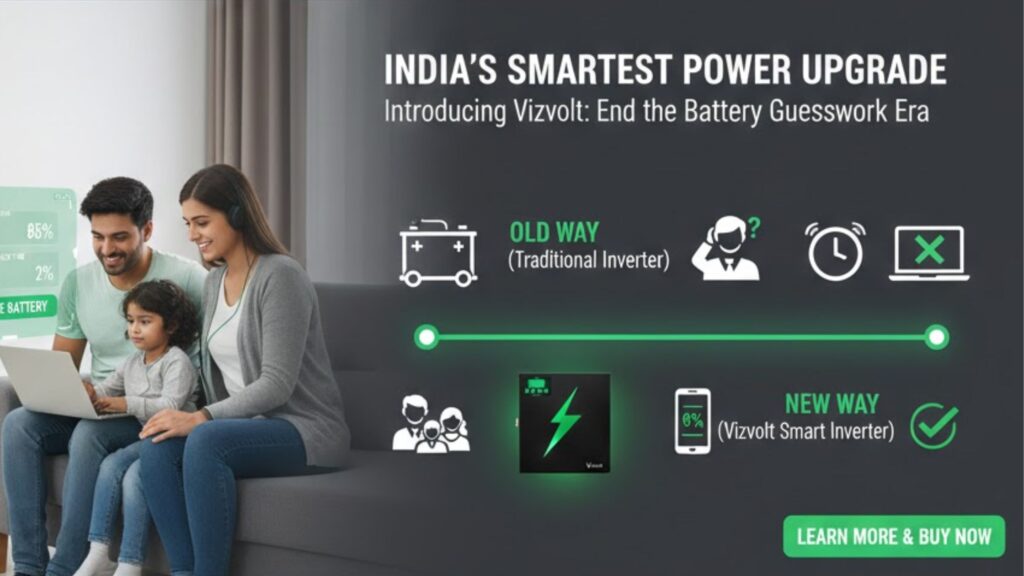
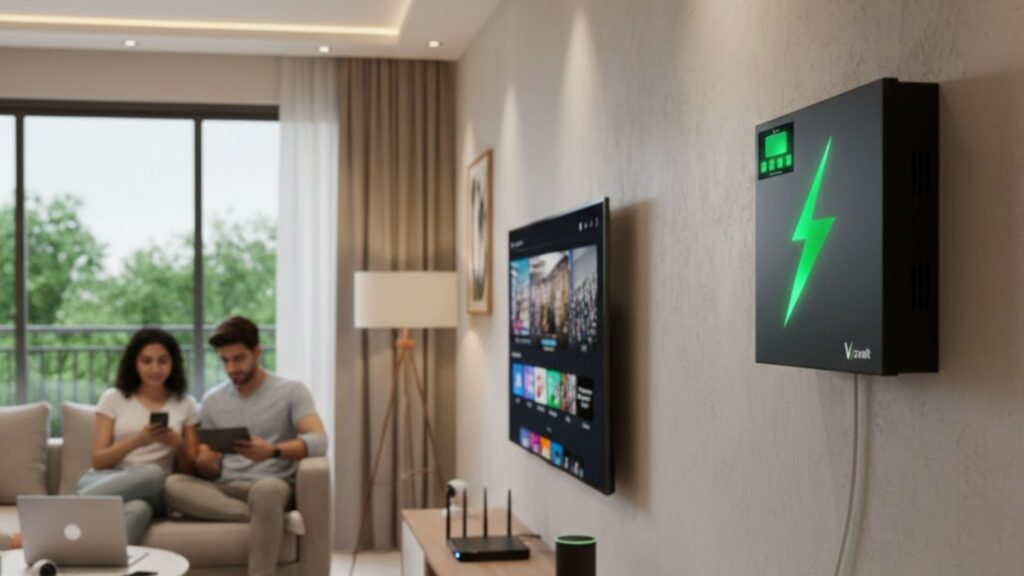
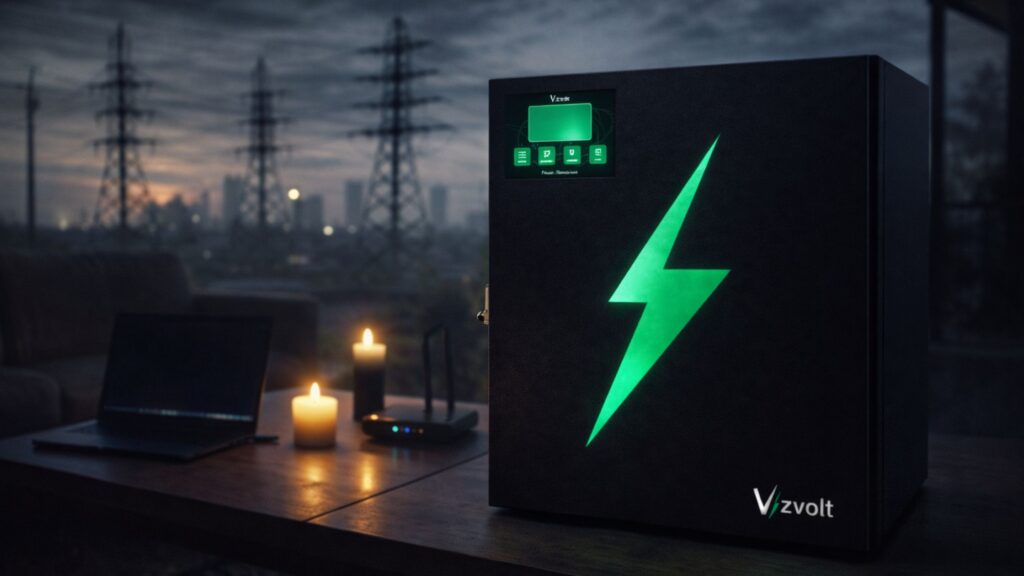
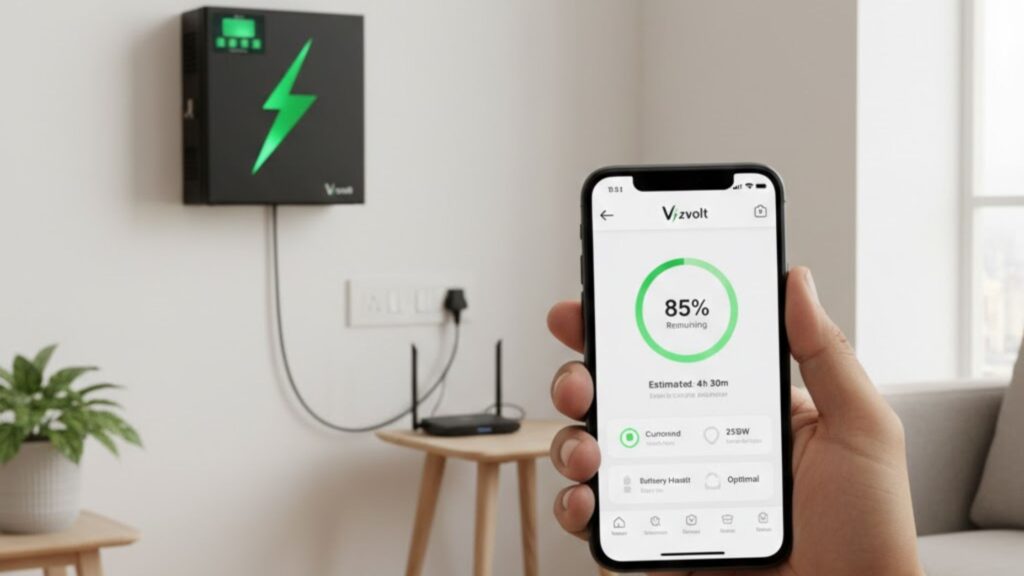
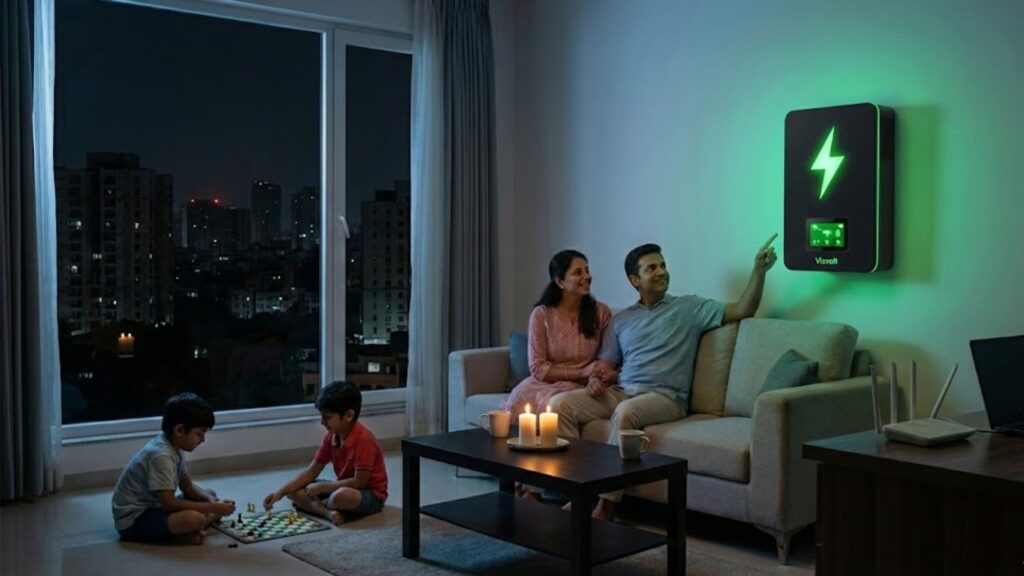
Power backup is essential for Indian homes. From work-from-home professionals to students attending online classes, electricity now supports daily life. However, many households still rely on lead-acid inverters – a technology that has remained mostly unchanged for decades. In 2026, the question is no longer “Do you need power backup?”The real question is: Are you paying hidden costs for outdated backup technology? Since smart inverters are still a new category in India, many homeowners compare only the purchase price. But the real cost of ownership goes far beyond the initial investment. Let’s break it down clearly. What Is a Lead-Acid Inverter? A lead-acid inverter uses a tubular or flat-plate battery filled with liquid electrolyte (acid). It provides backup during power cuts and is commonly installed in Indian households. It works – but it comes with operational and maintenance demands that many users overlook. The Hidden Costs Most Homeowners Ignore 1. Frequent Maintenance and Water Topping Lead-acid batteries require regular distilled water refilling. If you skip maintenance: Over time, you may need technician visits. These visits cost money and time. In busy urban lifestyles, this becomes a repeated inconvenience. 2. Shorter Battery Lifespan Most lead-acid batteries last 3–5 years, depending on usage and maintenance. That means in 10 years, you may replace the battery at least twice. Battery replacement is not cheap. When you calculate replacement cost over a decade, the “low initial price” argument weakens. 3. Lower Energy Efficiency Lead-acid batteries lose energy during charging and discharging cycles. This results in: Over time, this inefficiency increases your electricity bill. It may not look significant monthly, but it adds up annually. 4. Space Occupation in Small Homes Traditional inverter systems are floor-standing and bulky. They require dedicated space, often in: In modern 2BHK and 3BHK apartments, space is valuable. The cost of losing usable space is often ignored. 5. Safety Risks Lead-acid batteries contain liquid acid. Poor maintenance can lead to: Homes with children or pets should consider safety carefully. Modern homes are designed to be clean and minimal. An exposed battery setup does not align with this design approach. 6. Performance Issues with Modern Appliances Older inverters were designed for: Today, homes use: Lead-acid systems often struggle with modern digital loads, especially during longer power cuts. Performance drops faster than expected. 7. Voltage Instability and Appliance Risk Fluctuating voltage can damage sensitive electronics. Frequent voltage swings reduce the lifespan of: Repairing these appliances costs more than upgrading your inverter system. 8. Environmental Cost Lead-acid batteries require careful disposal. Improper disposal contributes to environmental damage. As India moves toward cleaner energy and sustainable homes, older battery technology becomes less aligned with future needs. The Real Cost Calculation (5-10 Year Perspective) Let’s look at a simple long-term view: When you calculate total ownership cost over 8–10 years, the gap between traditional and smart systems reduces significantly. Sometimes, it even reverses. Why Many Indian Homes Still Use Lead-Acid Systems The answer is simple: awareness. Smart inverter technology is still new in India. Most homeowners compare only upfront pricing. Since it is currently a push marketing category, education plays a major role. However, as urban homes become more tech-driven and digital dependency increases, expectations from power backup systems are changing. The Shift Toward Smart Inverters in 2026 Smart inverters typically offer: They are designed for modern homes that rely heavily on digital devices. Instead of reacting to problems, they allow proactive monitoring. Who Should Reconsider Their Current Inverter? You should evaluate upgrading if: If you are building a new home or renovating, this is the right time to choose future-ready technology. FAQ: Lead-Acid vs Smart Inverter Is lead-acid completely outdated? Not entirely. It still works for basic loads. However, it may not suit modern digital homes efficiently. Is lithium battery safe for homes? Yes. Modern lithium batteries use advanced battery management systems for temperature and voltage control. Is smart inverter expensive? Initial cost is higher. But lower maintenance and longer lifespan balance long-term expenses. The Cost You Don’t See The biggest hidden cost of lead-acid inverters is not money alone. It is: In 2026, homes are smarter. Power backup should match that evolution. Why Consider Vizvolt Smart Inverter? If you are exploring smarter alternatives, Vizvolt Smart Inverter is designed specifically for modern Indian households. It offers: Instead of managing your inverter manually, Vizvolt allows you to monitor and control power intelligently. If you are planning long-term reliability, it may be time to move beyond traditional lead-acid systems. Because power backup should not just support your home. It should support your future.