Inverter Battery Failing Without Warning? Here’s Why It Happens
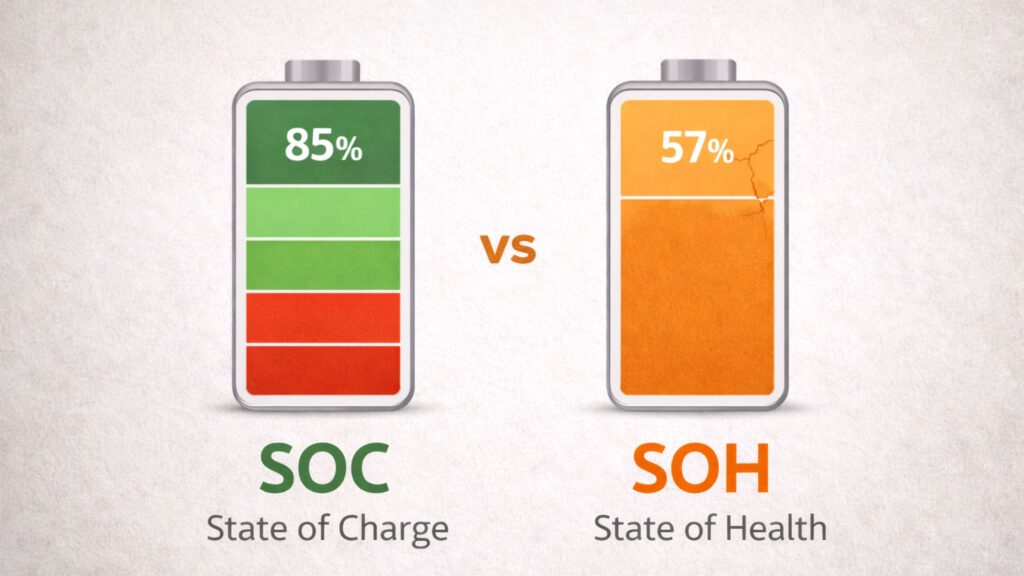
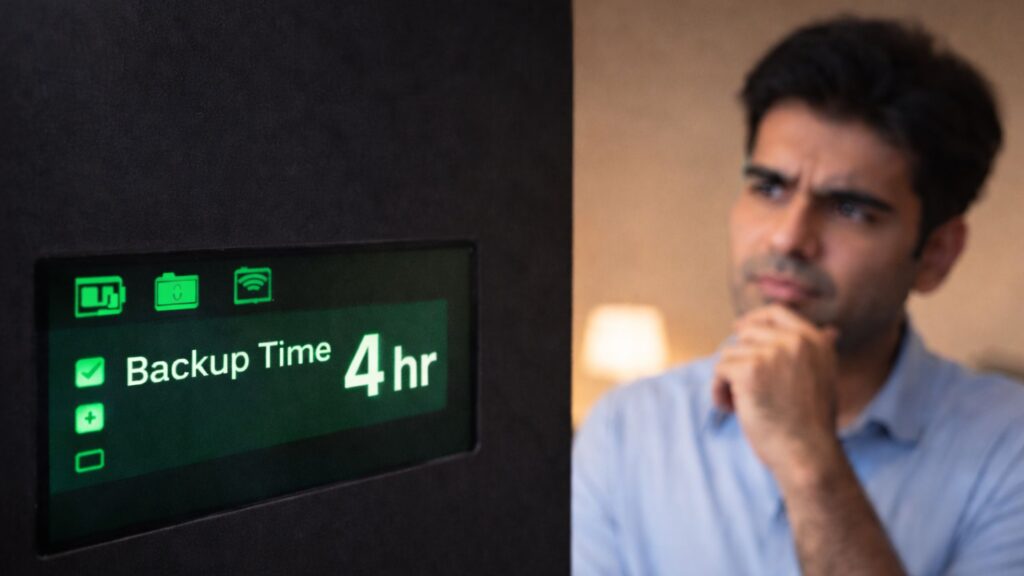
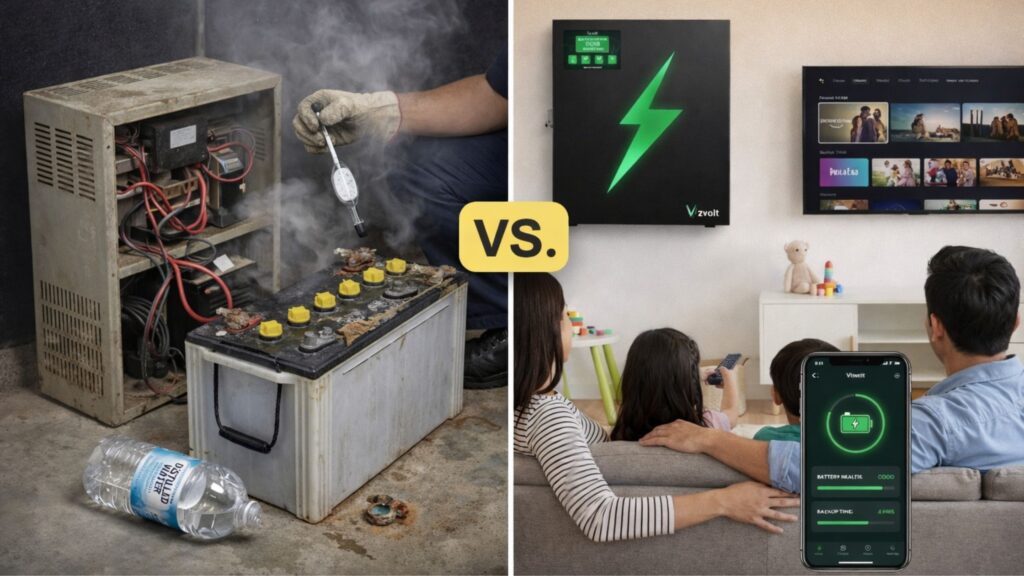
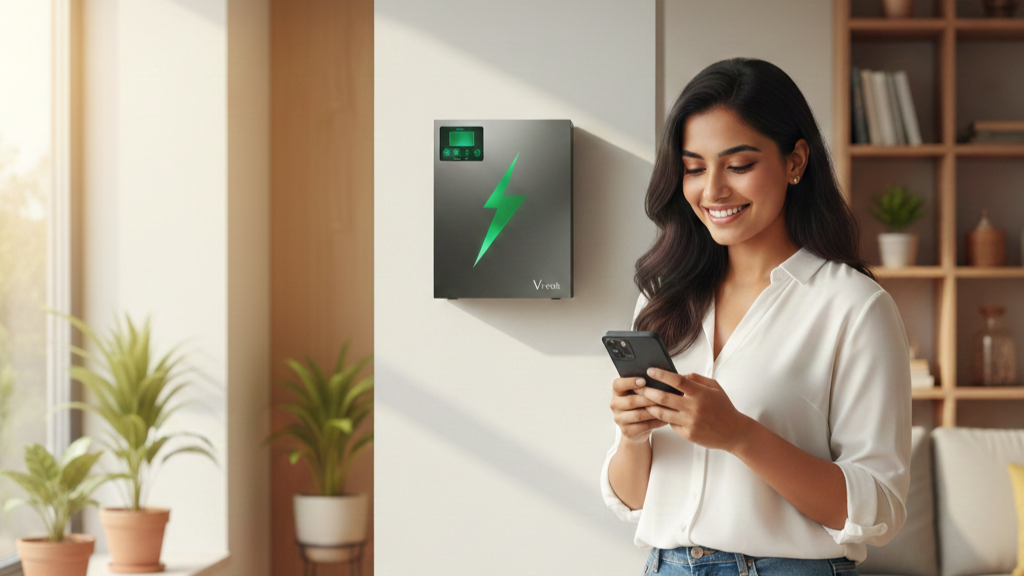
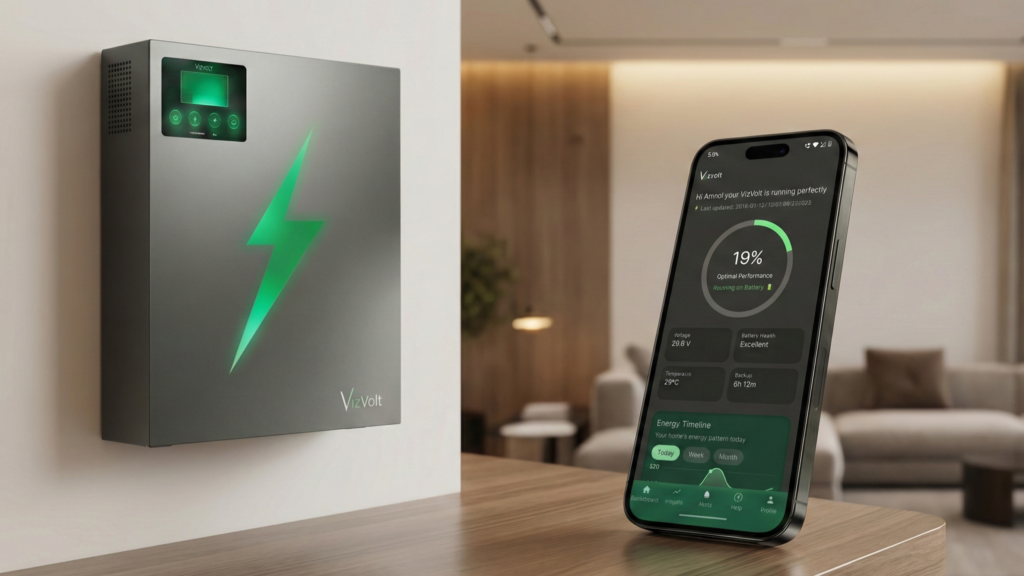
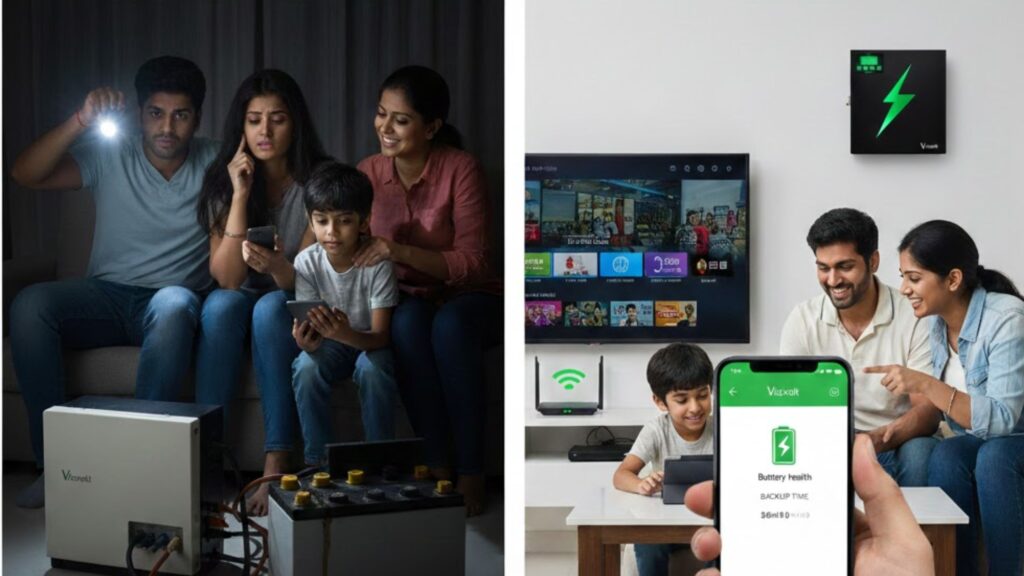
Many Indian households experience this situation sooner or later: The inverter works normally for months. Then one day, during a power cut, the backup suddenly drops-or stops altogether. There is no clear warning.No prior indication.Just inconvenience and confusion. In most cases, the battery did not fail suddenly. It failed gradually, without being noticed. The Common Assumption: “The Battery Just Reached Its End” When an inverter battery fails, people usually assume: “The battery is old, so it stopped working.” While battery age matters, it is not the only reason. In reality, inverter batteries lose strength slowly over time. The real issue is that most systems do not show battery health clearly, so users are unaware of the decline. Why Inverter Batteries Fail Without Warning 1. Battery Health Is Not Visible in Traditional Inverters Most regular inverters display only basic indicators: These indicators do not reveal: As a result, the battery may appear normal—even when it is not. 2. Battery Capacity Reduces Gradually All batteries degrade with use. Over time: This process happens slowly, often over months or years.Because the change is gradual, it goes unnoticed until the battery can no longer support a power cut. 3. Maintenance Gaps Accelerate Battery Wear In many homes: These small issues may not cause immediate failure, but they shorten battery life significantly over time. 4. Backup Time Masks the Real Problem As battery strength declines: Instead of identifying a battery issue, people often assume: “Power cuts are longer these days.” By the time the problem becomes obvious, the battery is already close to failure. Introducing an Important Concept: SOH (State of Health) This is where SOH – State of Health becomes important. What Is SOH in Simple Terms? SOH indicates the actual condition of the battery. It helps answer questions such as: Think of SOH as a health report for the battery, not just a charging signal. Why SOH Matters for Indian Homes When battery health is visible: Without SOH, users are forced to rely on assumptions.With SOH, they can rely on information. Why Most Inverters Don’t Show Battery Health Traditional inverter systems were designed mainly to: They were not built to: As household power needs grow, this limitation becomes more noticeable. How Modern Power Backup Is Evolving Today’s Indian homes depend on electricity for: Because of this, modern power backup solutions are beginning to focus on: The emphasis is shifting from reactive replacement to preventive awareness. Where Vizvolt Comes In Vizvolt Smart Inverter is designed to address one of the most common pain points-battery failure without warning. By focusing on battery health awareness, Vizvolt aims to: The objective is simple: to reduce uncertainty and prevent unexpected power failures. Inverter batteries rarely fail overnight. They fail quietly, when their health is not being monitored. Understanding why batteries fail without warning-and becoming aware of concepts like State of Health (SOH)—helps households make more informed, future-ready power decisions. As Indian homes move toward smarter and more reliable power backup, battery health visibility is no longer optional.It is becoming a basic expectation.