
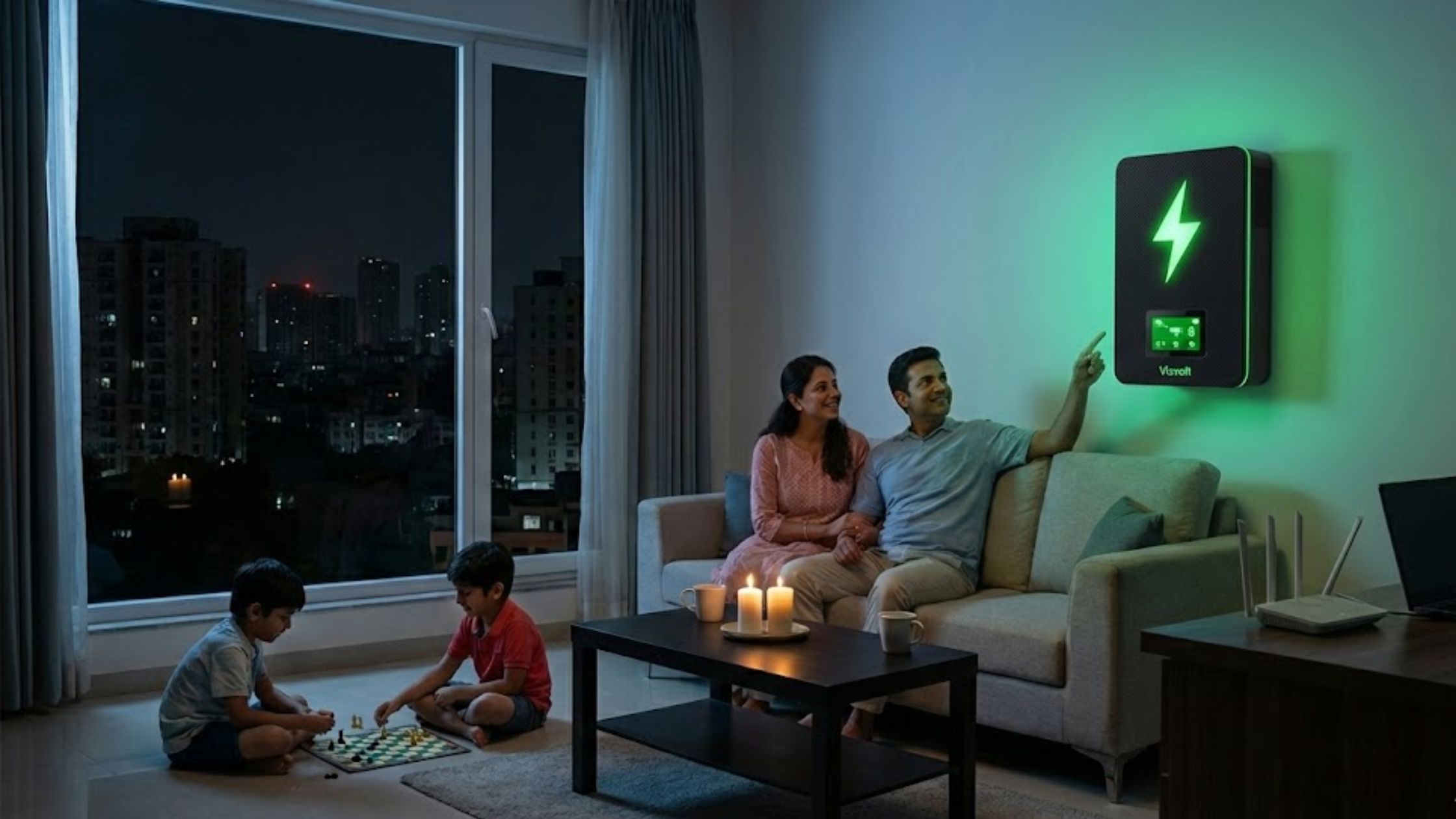
Power cuts are common in India. What usually makes them stressful is not the power cut itself-but not knowing how long the backup will last.
Most homes still depend on traditional inverter systems where people guess, wait, and worry. This is where real-time battery monitoring becomes important, especially during long and unpredictable power cuts.
In this blog, we explain what real-time battery monitoring actually means, why it matters for Indian households, and how it changes the power-backup experience.
What Is Real-Time Battery Monitoring? (In Simple Words)
Real-time battery monitoring means knowing the actual condition of your battery at any moment-not an estimate, not a guess.
Instead of basic lights like charging or low, real-time monitoring tracks live data such as:
- How much battery is left
- How fast it is being used
- How healthy the battery is
- How long the backup can realistically last
In short, it tells you what is happening now, not what might happen.
Why Guesswork Fails During Long Power Cuts
In many Indian homes, power cuts don’t last 10-15 minutes. They last hours-especially during:
- Summer heatwaves
- Monsoon disruptions
- Voltage fluctuations
- High-load evening hours
With regular inverters, people often:
- Turn off appliances randomly
- Constantly check the inverter
- Worry about sudden shutdowns
- Feel unsure whether to continue work or switch devices off
This stress happens because there is no clear information.
The Biggest Problem with Traditional Inverter Displays
Most traditional inverter displays show:
- Charging light
- Full battery light
- Low battery warning
What they don’t show:
- Actual backup time
- Battery degradation
- Real-time usage impact
- Early signs of battery trouble
As a result, users only find out something is wrong when the battery suddenly fails.
How Real-Time Monitoring Changes the Experience
Real-time battery monitoring changes power backup from a reaction-based system to an information-based system.
Here’s how it helps during long power cuts:
1. You Know How Long the Power Will Last
Instead of guessing, you can see realistic backup information based on current usage.
2. You Can Make Smarter Decisions
If you know how much backup is left, you can decide:
- What to keep running
- What to switch off
- How to manage power calmly
3. Less Panic, More Control
Clarity reduces stress. When people know what’s happening, they stop checking repeatedly.
4. Early Warning Before Problems
Real-time data helps identify battery issues before complete failure.
Why This Matters Especially for Modern Indian Homes
Today’s homes depend on power for more than lights and fans.
They rely on electricity for:
- Work-from-home setups
- Online classes
- Wi-Fi routers
- Smart TVs and devices
- Home security systems
During long power cuts, losing backup suddenly can disrupt:
- Work calls
- Exams
- Business operations
- Family routines
Real-time monitoring helps homes stay planned, not panicked.
Is Real-Time Monitoring Complicated?
This is a common concern-but it shouldn’t be.
Good real-time monitoring systems are designed to:
- Work quietly in the background
- Present information simply
- Avoid technical complexity
- Reduce manual involvement
The goal is not to overwhelm users with data, but to give clear, useful insight.
Where Vizvolt Fits In
Vizvolt Smart Inverter is built around the idea that power backup should be transparent and stress-free.
Instead of hiding information behind basic indicators, Vizvolt focuses on:
- Clear battery insights
- Real-time visibility
- Reduced guesswork
- Better control during long power cuts
The intention is simple: when users understand their power, they trust it more.
Long Power Cuts Need Better Information, Not More Checking
Long power cuts are a reality in India. But confusion, stress, and guesswork don’t have to be.
Real-time battery monitoring helps households move from:
- Constant checking → informed decisions
- Panic → clarity
- Guesswork → confidence
And this shift toward transparency is exactly why modern power-backup solutions like Vizvolt are becoming relevant for today’s Indian homes.