Lithium Inverter vs Lead-Acid Inverter: A Real Cost & Safety Comparison
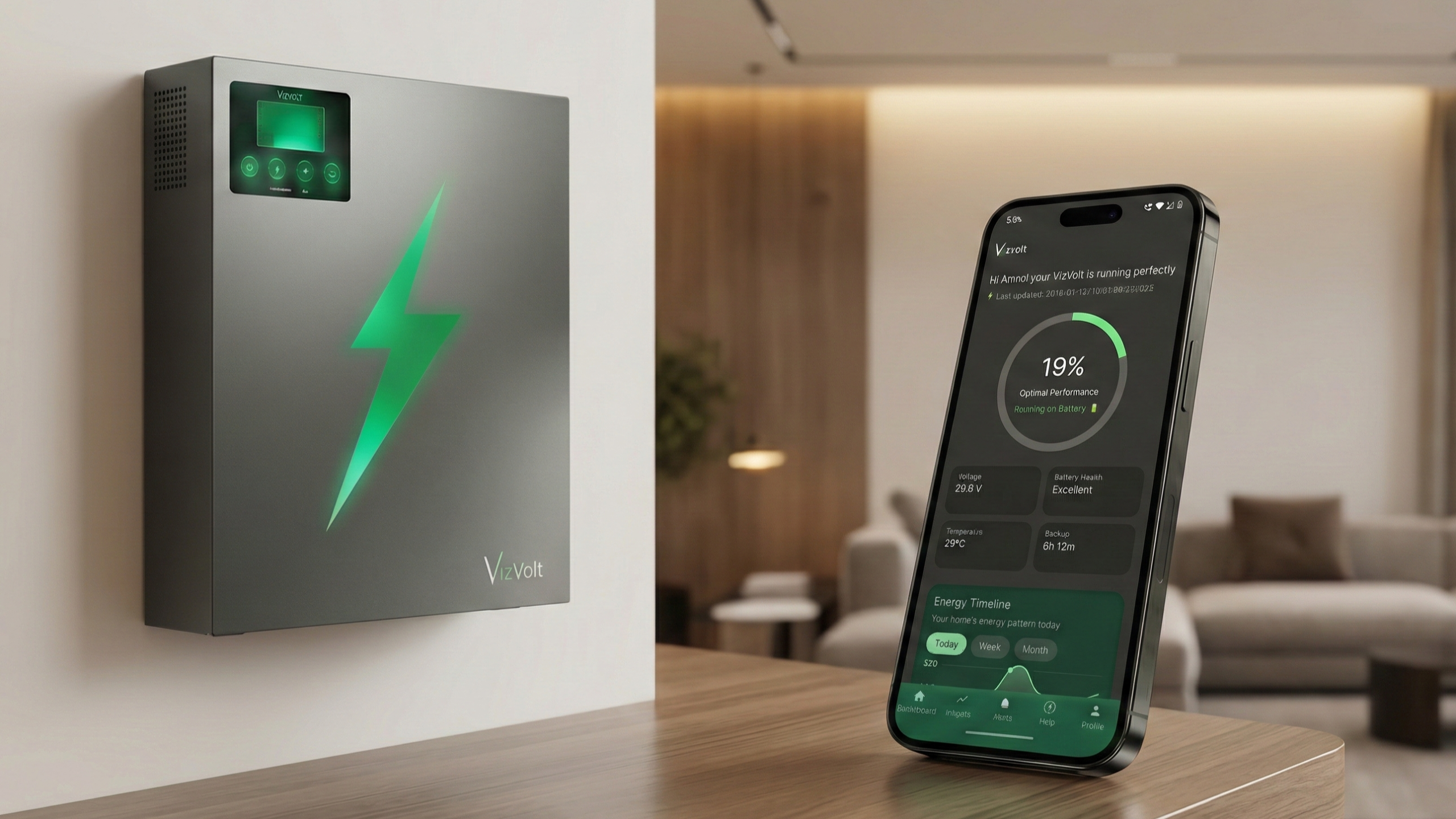
When choosing a home inverter, most buyers focus only on the upfront price.But the real decision should be based on lifetime cost, safety, reliability, and everyday usability. Let’s compare traditional lead-acid inverters and modern lithium inverters in a practical, real-world way — beyond marketing claims. Understanding the Two Systems Lead-Acid Inverter System A traditional lead-acid setup typically includes: This system has remained largely unchanged for decades. Lithium Inverter System A modern lithium inverter: At a hardware level, lithium already solves many long-standing problems of lead-acid. Upfront Cost Comparison Many people assume lithium systems are much more expensive.In reality, the gap has narrowed significantly. Typical Market Pricing (India – 1 kVA Class) System Type Upfront Cost Range Lead-Acid Inverter + Battery ₹19,000 – ₹32,000 Lithium Inverter (similar usable capacity) ₹29,000 – ₹35,000 When compared on similar usable backup capacity, the upfront difference is often small or negligible. Lifetime Cost Comparison (The Hidden Reality) This is where the real difference appears. Lead-Acid System Over Time Lithium System Over Time 10-Year Ownership Reality Factor Lead-Acid Lithium Battery replacements 2–3 times None Maintenance cost High Zero Performance stability Degrades Stable Total ownership cost High Lower Lithium often costs less over time, even if the upfront price looks similar. Safety Comparison Lead-Acid Risks Lithium Safety Modern lithium (LiFePO₄) batteries: For homes with children, elderly family members, or pets, lithium is significantly safer. Performance Comparison Feature Lead-Acid Inverter Lithium Inverter Usable energy Low (~50% safe usage) High (deep discharge safe) Efficiency 70–80% 95%+ Switch-over speed Slower Instant Size Bulky Compact Noise Fan noise Silent Maintenance Frequent None The Missing Truth: Most Lithium Inverters Still Aren’t Smart Here’s something buyers rarely realise: Most lithium inverters in the market today are not smart. They may use lithium batteries, but: In short, many brands changed the battery chemistry — not the user experience. What Smart Monitoring Actually Changes A truly smart lithium inverter allows users to: This visibility removes guesswork and builds trust. Vizvolt belongs to this newer category — combining lithium technology with app-based smart monitoring and a design meant for modern homes. From Something You Hide to Something You Flaunt Traditional inverter systems — including many lithium ones — are: Vizvolt challenges that idea. It is designed as: Backup power no longer needs to be hidden. Which One Makes Sense Today? Lead-Acid Makes Sense If: Lithium Makes Sense If: Smart Lithium Makes Sense If: The real question is no longer: “Is lithium expensive?” The real question is: “Why keep paying repeatedly for an outdated system?” Lead-acid is cheaper only on paper.Lithium is cheaper in real life. And smart, well-designed lithium systems like Vizvolt show that backup power can finally be safe, intelligent, and worth showing — not hiding.
Lithium Inverter vs Lead-Acid Inverter: A Real Cost & Safety Comparison Read More »